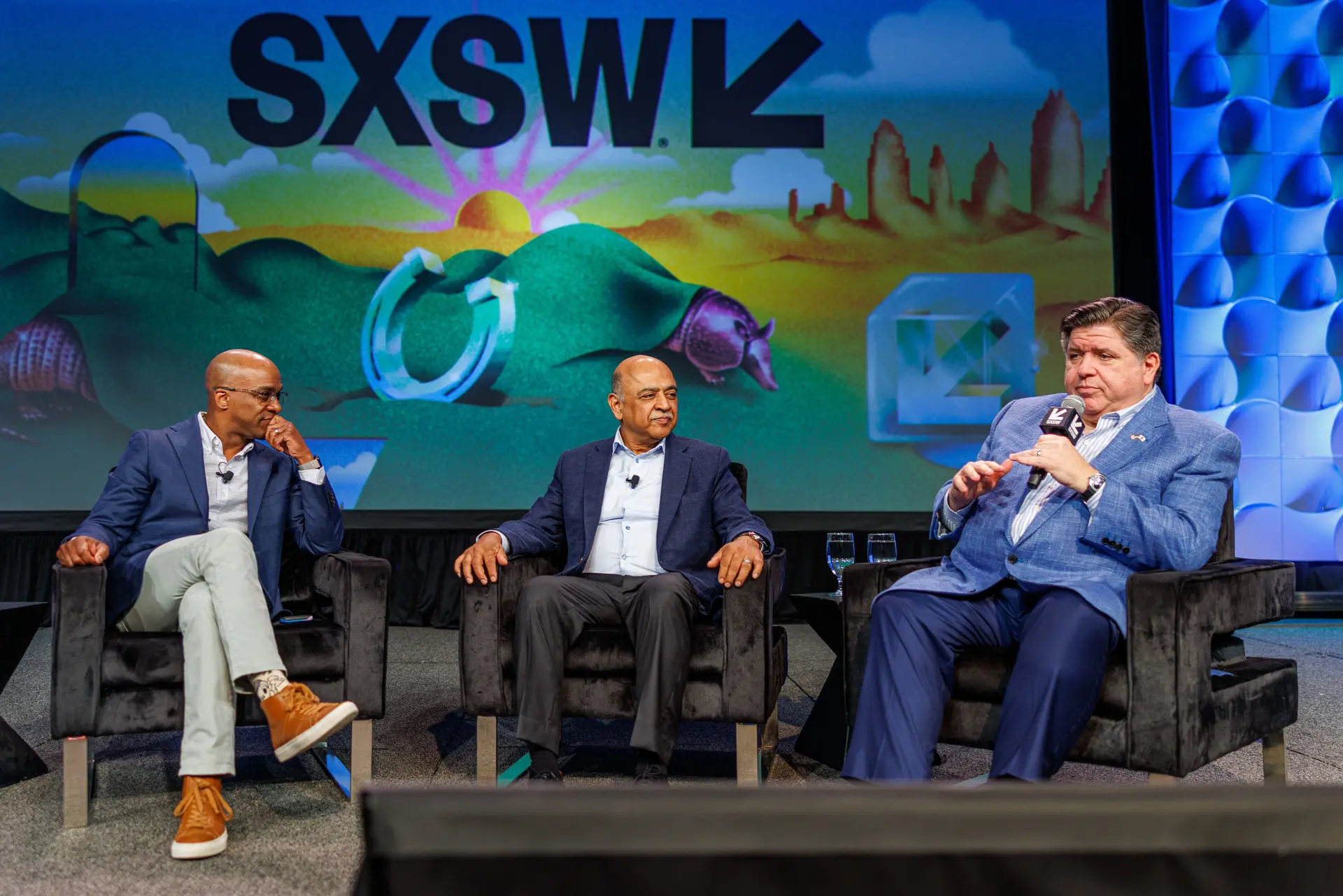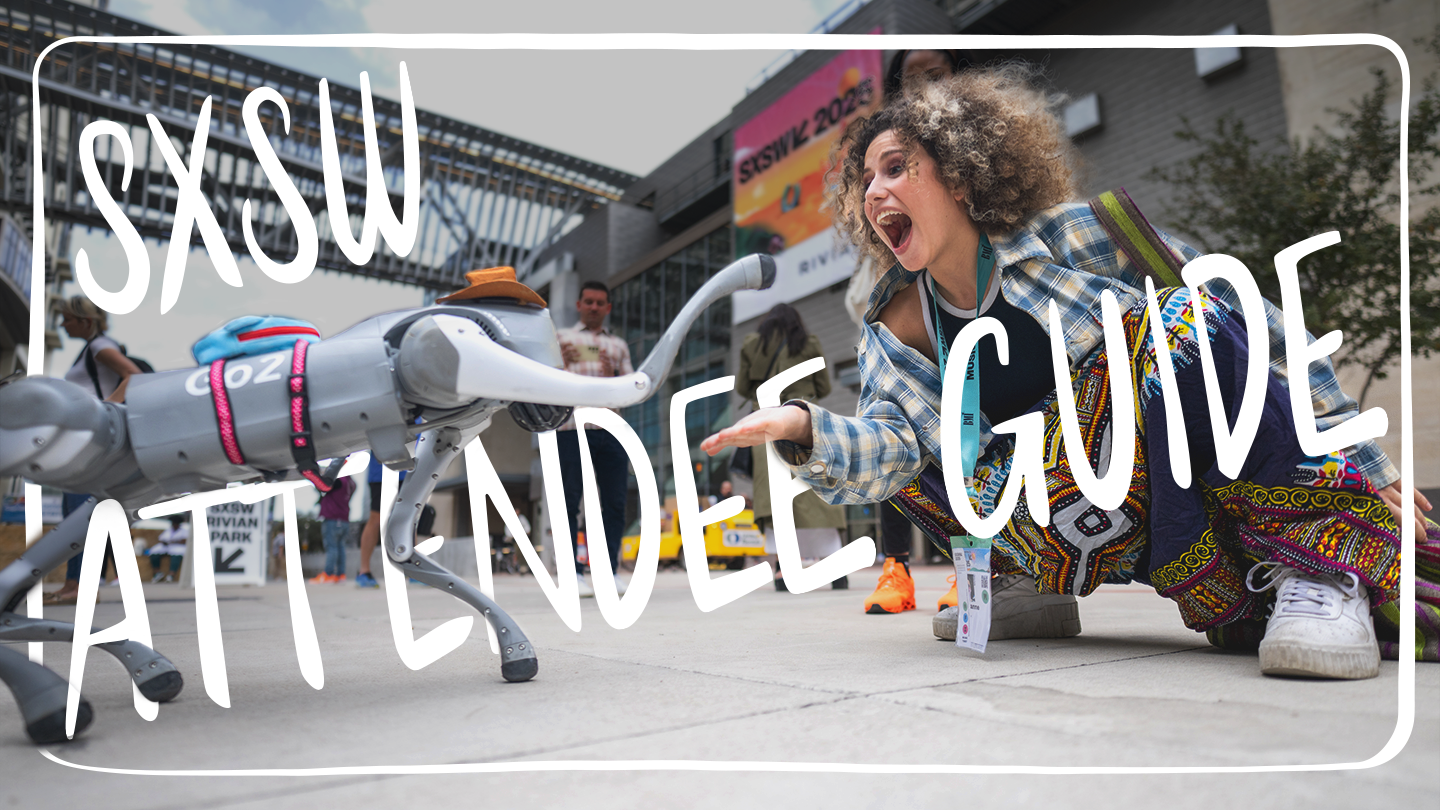
South by Southwest 2026 officially begins today, March 7, flooding downtown Austin with roughly 75,000 accredited visitors who will spend the next nine days chasing product demos, film premieres, and after-hours record-label showcases.
Austin Convention Center Hosts 881,000-Sq-Ft Tech Showcase
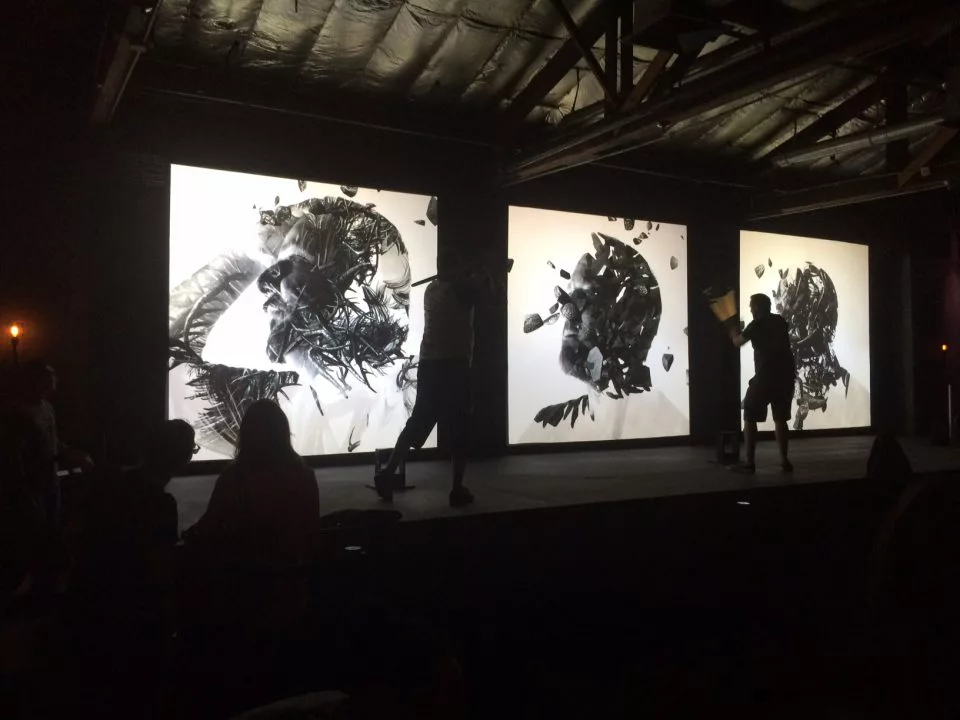
The 2026 edition stretches across the city’s 881,000-square-foot Convention Center and more than 50 satellite venues, jamming everything from quantum-computing sandboxes to XR film pop-ups under one sprawling program. Organizers have bundled 22 themed tracks—AI ethics, climate tech, creator-economy monetization, fintech compliance, and healthcare data interoperability—into panels that start at 9 a.m. and run until 6 p.m. daily. Badge allocations released last week show 4,200 product VPs, 2,800 brand-marketing directors, and 1,900 Fortune 1,000 “innovation partners” holding Q2 discretionary budgets, numbers that match 2019 peaks and restore SXSW’s title as the most densely attended single-city innovation gathering in North America. Evening programming flips the energy: Red River’s outdoor stages, Rainey Street’s bungalow bars, and Sixth Street’s shuttered-through-vehicle traffic become open-air demo zones where hardware prototypes compete with brass-punk buskers for foot traffic.
In related developments, the Convention Center’s Hall C has been converted into a 24-hour charging lounge after sponsors complained that 2025’s wall-outlet hunt sliced dwell time in half. Expect rows of powered ottomans, iced-coffee kegs, and a QR-code system that texts attendees when their laptop hits 80 %.
Corporate Attendees Drive Mid-Year Procurement Cycle
Revenue teams treat the festival as a compressed pipeline accelerator because many corporations sync vendor reviews with March’s mid-year planning window. A typical arc begins Monday morning when a beverage-brand marketer sits in on an AI-generated-content session, scribbles three vendor names, and by Wednesday has fired RFI drafts from a hotel lobby couch. On-site demos follow Thursday inside a branded shipping-container booth, and procurement documents hit legal before Friday’s Southwest departure. Salesforce pipeline data from 2025 show vendors that pre-load security packets, standard MSAs, and pilot KPIs into a shared Box folder close contracts a median 22 days faster than competitors who restart diligence once everyone is home. In short, the stranger squeezed beside you at the XR wearables panel often arrives with signing authority and a quarterly quota to hit.
Critics argue the festival’s deal fever sidelines smaller founders who can’t afford on-site legal counsel, yet the pattern repeats every year because risk managers like staging pilots before summer budget lock.
Early Outreach Secures 68% More Meetings
Waiting for opening day to hunt leads is statistically expensive. Vendelux crunched 2024 SXSW badge metadata and discovered that teams launching email, LinkedIn InMail, and Slack community sequences four weeks ahead captured 68 % of available meeting slots before the Convention Center turnstiles spun. Winning cold-outreach templates open with a track-specific hook—“saw your climate-tech session abstract on kelp-carbon sinks”—then offer a 15-minute coffee within a five-minute walk of the prospect’s confirmed hotel. Because SXSW releases its internal scheduler only seven days out, early planners lock twice as many face-to-face conversations and cut no-show rates from 35 % to 12 %. The tactic is so routine that Cedar Street courtyard cafes now open at 6:30 a.m. to accommodate pre-keynote pitch calendars.
In Austin’s eastern warehouse district, for instance, one seed-stage founder booked 19 customer-discovery chats before arrival, then stacked back-to-back demos inside a rented vintage Airstream parked behind a barbecue trailer—proof that creativity plus pre-show hustle still beats swag budgets.
Budget Lodging and Logistics Beyond Downtown Core
Hotel compression hit Austin in late January, pushing average nightly rates to $480 downtown and leaving suburban inventory along the MetroRail red line as the only relative bargain. Properties in Cedar Park or Leander list 40 % lower prices, but travelers trade the savings for a 35-minute train ride that begins service at 5:36 a.m. Badge pickup starts at 2 p.m. today inside Exhibit Hall 1; attendees who forget the QR code emailed last week are routed to a manual queue that averaged 47 minutes on Friday’s soft-open. National Weather Service forecasts show a 60 % chance of rain Sunday and Monday, and ride-share surge pricing topped 3.6× during last evening’s showcases, so veterans pack compact umbrellas and pre-load CapMetro day-passes. Outdoor sound ordinances shut down amplified music at 2 a.m., pushing late networking to hotel suites, yacht anchor-ups on Lady Bird Lake, and 24-hour taco trucks parked along South First where CTOs trade API docs over al-pastor.
Meanwhile, Airbnb hosts in East Riverside have begun offering “quiet-time” clauses—no loud pitches after midnight—an unexpected nod to neighbors who still remember 2014’s drum-kit incident.
First-Timer Roadmap for Navigating SXSW 2026
Newcomers who treat the festival like a standard trade show risk marathon-level exhaustion by day three. Veterans schedule buffer blocks: an 8 a.m. hold for sunrise run-clubs that depart from the Four Seasons dock, a noon window for barbecue pop-ups on Butler Lawn, and a 5 p.m. gap to duck into the Hilton’s fifth-floor quiet zone for CRM notes. Restaurant reservations inside a three-block radius of the Convention Center vanish 48 hours out, so savvy operators book duplicate OpenTable slots and release the extras 90 minutes ahead to avoid no-fee penalties. Comfortable shoes matter more than startup swag; the average attendee logs 11,000 steps between breakout rooms alone, and Wi-Fi drops to 2.4 GHz under session-hall overload, making offline pitch PDFs essential. Finally, export every scanned badge to your CRM within 24 hours while Austin details—band seen, breakfast taco recommended—remain vivid enough to personalize follow-up.
Separately, health-tech exhibitors hand out pocket-size sanitizer pods after last year’s flu spike sidelined 200 badge-holders; acceptance rates hover near 100 %.
Action Steps to Maximize ROI at SXSW 2026
- Upload your target-account spreadsheet into Vendelux tonight; filter for any prospect whose LinkedIn activity mentions “SXSW” in the past 30 days and auto-flag mutual connections.
- Fire a three-sentence outreach email that cites the prospect’s panel title or booth number; schedule delivery for 8 a.m. Central tomorrow to beat Monday inbox purge.
- Reserve two backup restaurant tables inside a 0.3-mile radius of the Convention Center; keep one confirmation number in pocket for impromptu team lunches.
- Block calendar holds at 8 a.m., noon, and 5 p.m.; release unneeded slots 90 minutes ahead to prevent double-bookings and preserve buffer time.
- Log conversation notes to your CRM within 24 hours while sensory details—band seen, barbecue joint recommended—are fresh enough to craft personalized follow-ups that reference Austin specifics.
Repeat step five. The 24-hour rule is the single biggest predictor of post-event pipeline velocity, according to Salesforce’s 2025 festival dataset.
Useful Resources
- SXSW Official Scheduler – Real-time panel updates and room changes pushed to the mobile app.
- Vendelux Event Intelligence – Free tier offers attendee list matching and meeting-slot analytics.
- CapMetro Rail Map – PDF download shows red-line stations with parking availability for suburban hotels.
- OpenTable Downtown Austin – Live inventory tracker specialized for walkable SXSW restaurant coverage.
- Salesforce 2025 Festival Pipeline Report – Public white paper benchmarking post-event close rates for B2B SaaS vendors.
Source: SXSW Press Office, Vendelux, Salesforce