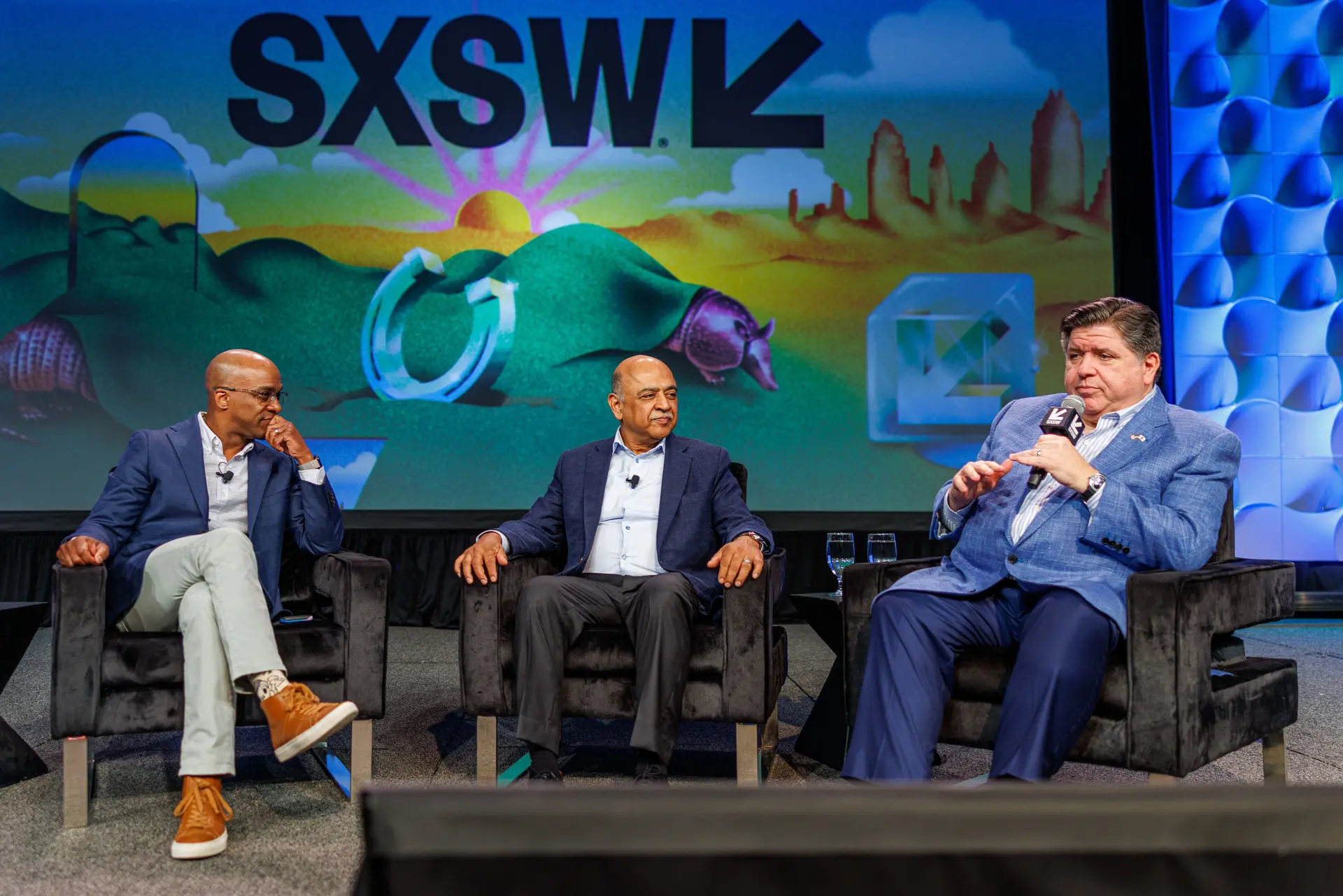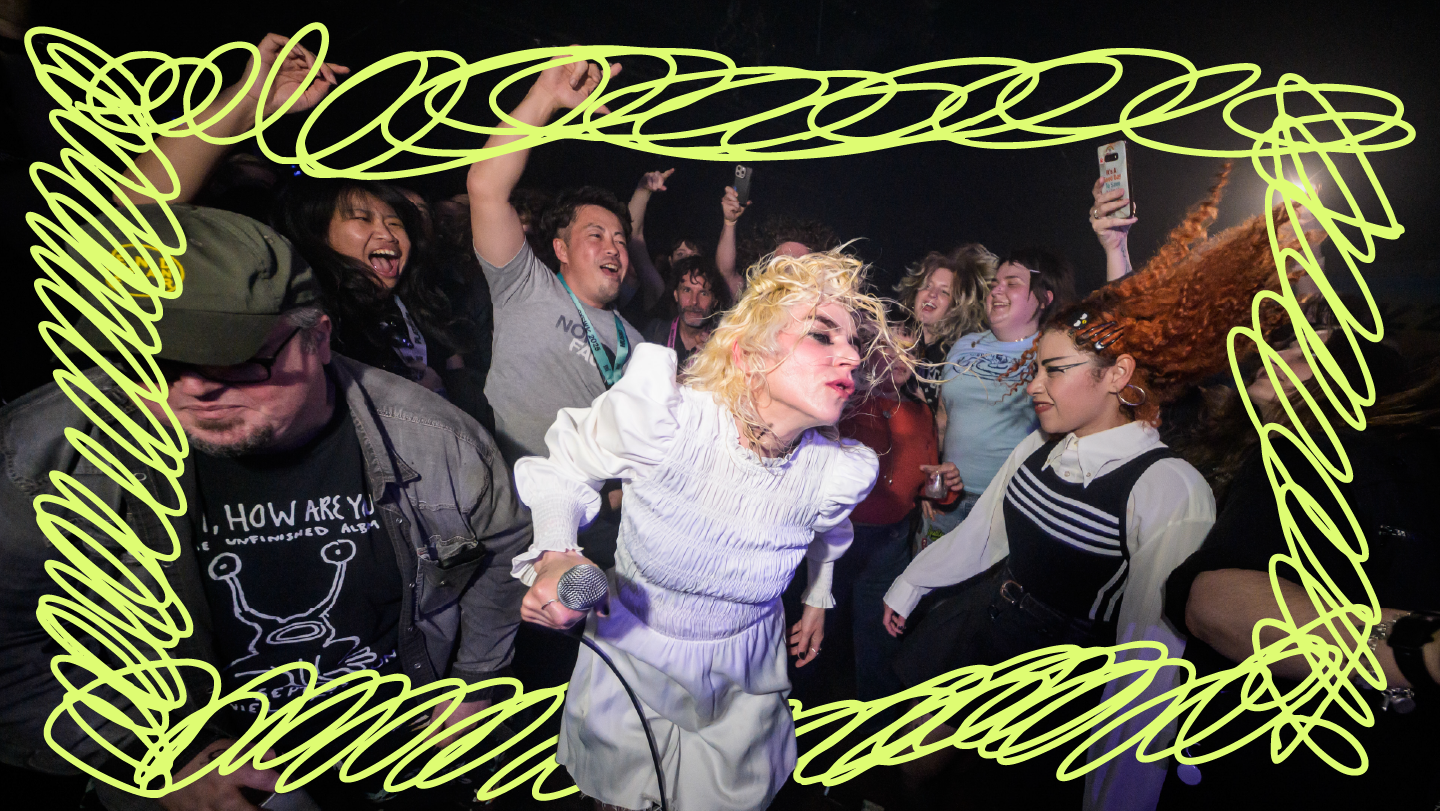
Austin, 8 March 2026 — After SXSW organizers eliminated the sprawling “brand pen” lots that once anchored 6th Street, marketers discovered the fastest route to buzz is a couch, a charger and a cold brew parked within sight of the festival’s official genre clubhouses.
Festival Footprint Shrinks, Micro-Location Wins
The 2026 map covers only 60 downtown acres, down from 110 in 2022. Panels, gaming demos, Latin showcases, health-tech meet-ups and Aussie music showcases are now clustered inside pre-licensed “clubhouse” bars or hotels. By leasing the empty storefront, gravel lot or fenced courtyard that sits within a two-minute walk of those venues, brands inherit a captive audience that already queues three times a day. SXSW’s internal analytics team reports activations positioned inside the 500-ft ring average 32 % longer dwell time because attendees treat the zone as a familiar pit stop between sessions. No wristband scanning, no ride-share surge—just a logo, shade and free Wi-Fi that registers in muscle memory by the third afternoon.
Unexpectedly, the tighter footprint also sliced build-out budgets. One fintech told planners it spent $28 k on a 400-sq-ft courtyard instead of the $180 k it burned in 2023 on a parking-lot pavilion that needed fencing, generators and overnight guards. Critics argue the shrinkage funnels crowds into choke points, yet brands counter that density equals data: every extra minute inside the ring feeds sensors with richer heat-map dots.
Mobile Lounges Outrun Fixed Builds
Because 72 % of accredited visitors move on foot, the most cost-efficient real estate is a set of wheels. Box trucks retro-fitted with banquettes, laminate floors and mesh routers cost roughly one-tenth of a fixed build-out yet collect 15,000 handshakes in six hours when they re-position every 90 minutes, according to staffing agency ATN. Coca-Cola’s “Refresh Arcade” truck, for example, trawled the gaming district on a staggered loop that matched the SXSW GO app heat-map. Crew members logged GPS pings, then texted live updates—“cold brew at 4th & Brazos”—to pull stragglers off the sidewalk. HBO repeated the tactic at night, parking a velvet-draped trailer outside the Vimeo theater exit so departing filmmakers stepped straight into a branded after-glow.
Meanwhile, a crypto wallet start-up skipped a brick-and-mortar lease entirely. It wrapped a Sprinter van in matte-black vinyl, installed two leather benches and a mini-fridge, then rotated between the Latin clubhouse at 3 p.m. and the British music embassy at 7 p.m. Total spend: $11,400 including fuel. The firm’s CMO claims 1,800 app installs came from riders who scanned the on-board QR code while waiting for a free espresso.
$7 k Visuals Beat $150 k Tech Domes
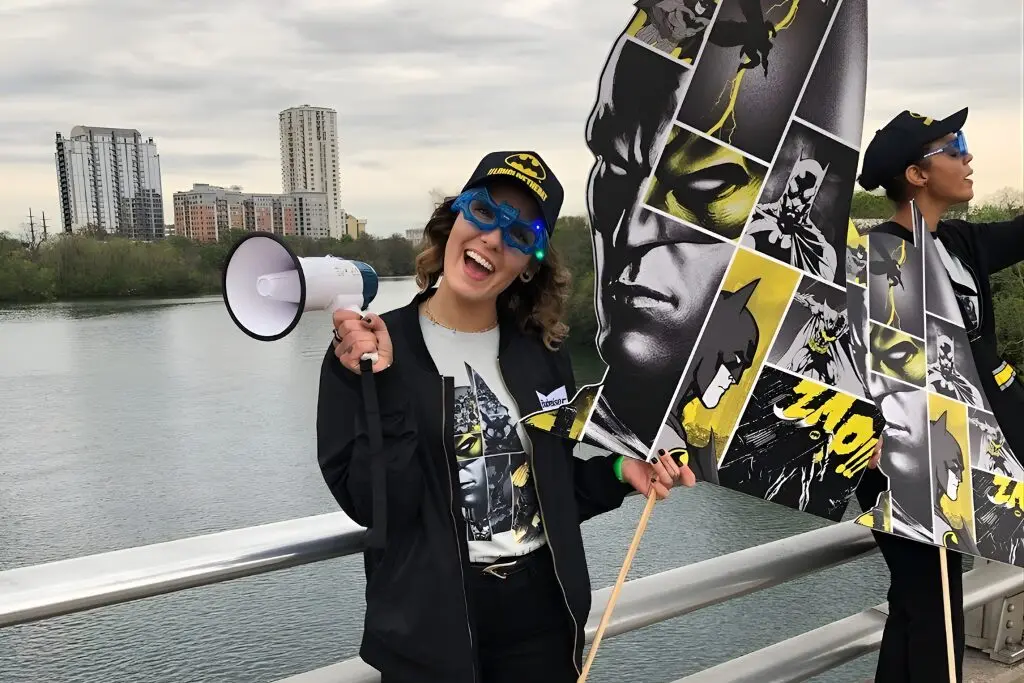
Virtual-reality pods and haptic chairs still draw curiosity, yet marketing directors privately admit a single optical-illusion mural or oversize prop can outperform six-figure tech installs if the image is legible from the sidewalk and photographable at arm’s length. Last year a deodorant start-up spent $7,000 painting a 30-foot “armpit tunnel” on an unused garage door; two photographers circulated for three days. Result: 4,300 tagged Instagram posts, a 48 % save rate on Stories and zero line maintenance. The only creative guardrail: logo placement must survive a zoom-in crop so viewers can decode the sponsor once the image travels off-platform.
In the same vein, a dating app parked a bright-yellow “swing set” — two wooden seats hanging from a steel frame — on an unused patch of grass near the convention center. Construction bill: $4,200. By day two, TikTok users had uploaded 1,700 videos using the branded hashtag; the clip that racked up 2.4 million views showed a user proposing to his girlfriend on the left swing. The move raises questions about staging authenticity, yet the app’s download spike lasted a full week after the festival closed.
Street Teams Morph Into Human Arrows
Austin code still bans flyer hand-outs, but “directional engagement” is permitted. Eight trained ambassadors wearing heat-proof polyester jerseys with scannable QR patches can steer 1,200 visitors to a hidden rooftop in one evening, according to post-show audits. Dynamic code generators let planners swap destination URLs nightly, shifting guests from a podcast taping to a surprise showcase as capacity fluctuates. One beverage client redirected traffic three times in four hours, capping each wave at 250 people to stay within fire-code limits, then pushed the final cohort toward a Rainy Street bar where surplus inventory waited. Cost: $2,400 in labor, $90 in cloud hosting.
Separately, a home-state pecan-water brand recruited University of Texas track athletes who jogged the perimeter while holding LED batons that blinked the company colors. The joggers never stopped; they simply pointed toward a side-alley tasting room. Organizers say the baton squad added 900 scans in two nights, a 38 % lift over the static A-frame sign that sat unnoticed the previous year.
Progressive Hunts Stitch Story Across Venues
Single-site booths plateau after 90 minutes; gamified journeys keep attention alive. SXSW’s 2025 attendee survey found recall jumps 48 % when guests collect virtual tokens from three branded checkpoints. A sustainable footwear label applied the mechanic this year: shoppers laser-etched a leather patch at the Latin clubhouse, scanned a food-truck code for a hidden runway invite, then unlocked a limited merch drop inside a converted bungalow. Participants walked 1.2 miles across the festival map while broadcasting each step, turning way-finding into word-of-mouth. Back-end dashboards reported a 62 % email opt-in rate among players, triple the industry norm for static pop-ups.
In related developments, a climate-tech non-profit hid five wooden “seed coins” inside partner venues. Users who located all five and tapped NFC chips earned a verified carbon-offset NFT. Only 417 people finished the hunt, yet the organization’s pixel-tracking recorded 1.9 million earned-media impressions as players live-streamed their progress. The lesson: scarcity plus mileage equals share-rate.
Utility Sells: Seats, Shade, Phone Juice
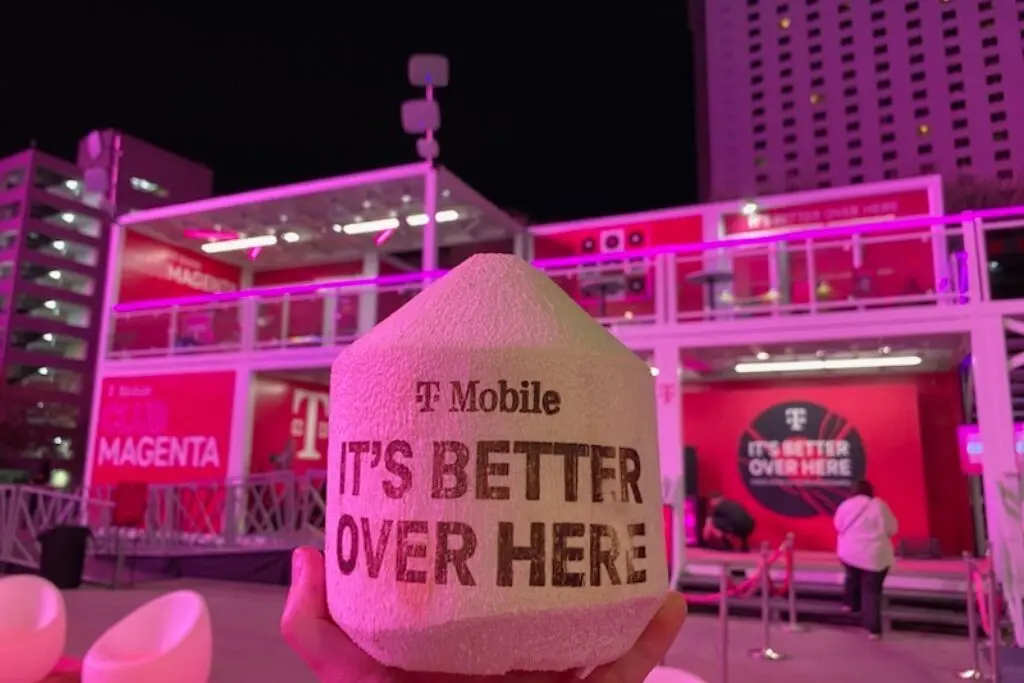
Forecast highs of 84 °F and 12-hour walking days make “recovery activations” the sleeper hit. Meditation pods, misting fans, coconut-water carts and free shoe-shine benches keep visitors planted for 18–25 minutes—long enough for a three-minute product demo or 12-question survey. Brands that tweet real-time seat availability (“4 open hammocks at 3:17 pm”) pick up 10–15 % spill-over traffic from nearby badge-holder lines. One cybersecurity firm offered 30-chair air-conditioned respite plus phone lockers; security researchers ended up discussing enterprise software while queued for cold brew, generating $1.8 million in qualified pipeline within a week, the company claims.
Repeat the formula and it still works: a telecom parked a glass-walled “quiet car” on 5th Street, handed out noise-canceling earbuds for a 15-minute loan and watched NPS scores climb 22 points compared with the previous year’s loud sidewalk booth. Attendees stayed an average of 21 minutes; roughly 40 % agreed to a follow-up sales call after a brief exit survey.
Talent Swaps Turn Engineers Into Headliners
Touch-and-try tables outperform traditional promo models when staffed by product designers, indie mixologists or the same guitarist who sound-checked that afternoon. Recall tests run by experiential agency Mirror show a 2:1 lift when visitors meet an “author” rather than a “spokesmodel.” SXSW veterans now book “talent swaps”: the Bluetooth-speaker product manager who demos drivers at 2 p.m. joins the booth guitar jam at 4 p.m., folding commerce and culture into a single handshake. Contracts stipulate a six-photo social push from the artist, guaranteeing the brand travels onto Spotify storylines and Discord servers the company cannot buy.
In Austin, for instance, a boutique synth maker let the afternoon DJ borrow a prototype drum pad; by midnight the same musician live-looped it on an official showcase stage, flashing the company logo on the rear LED wall. The firm’s mailing list added 3,200 sign-ups in 48 hours, a haul the CEO values at $140 k in otherwise paid media.
Action Steps for 2026
- Download the February clubhouse map; lease adjacent pop-up space before March 10 when city temp-permit fees spike.
- Reserve a licensed food truck or e-cart by March 15; program five daily micro-stops synced to panel-change timestamps.
- Design one visual prop under eight feet tall; file the free 72-hour sidewalk permit online to avoid $400 rush penalties.
- Recruit eight bilingual ambassadors; rehearse a three-sentence directional script plus QR code fallback for poor cell zones.
- Schedule nightly 9 p.m. debrief; redeploy next-day routes using heat-map logs exported from the SXSW GO app.
Source: SXSW internal planning deck, March 2026
Recommended Resources
- SXSW GO App heat-map archive – download past crowd-density logs to model foot traffic for next year
- ATN Crewing Agency – books mobile lounge staff and handles city vehicle waivers for HBO, Coca-Cola, Netflix
- Austin 72-Hour Sidewalk Permit Portal – no-cost application for temporary props under eight feet high
- Mirror Experiential Recall Report 2025 – free PDF on staff-type impact on brand memory scores
- “Festival Gamification Playbook” – Google Drive folder of swipe-copy token-hunt flows used by footwear and tech brands
Source: SXSW internal planning deck, March 2026