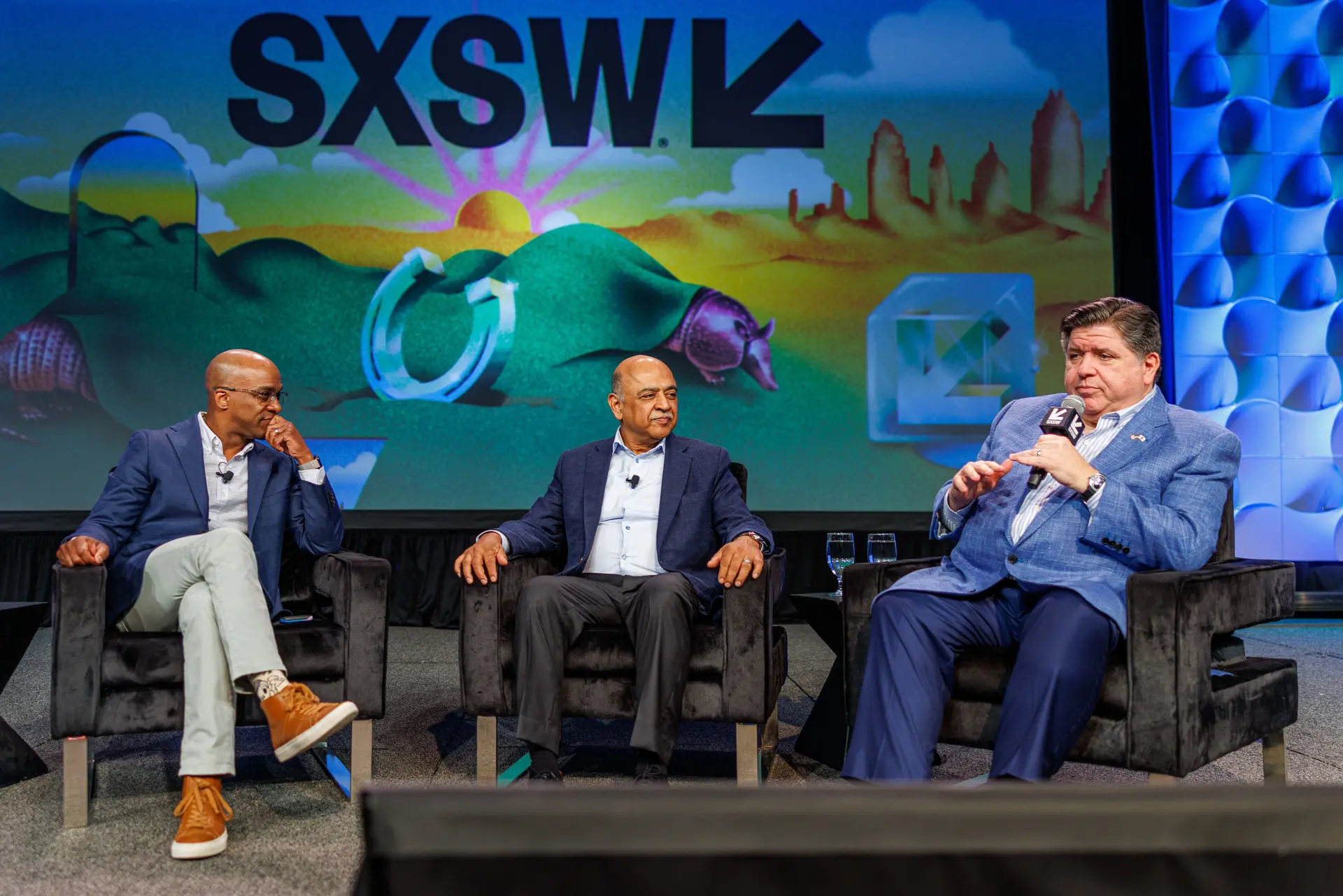
Austin’s SXSW 2026 wrapped Tuesday with balance-sheet proof that speculative tech has crossed the revenue Rubicon: artificial-intelligence diagnostics, compost-ready fiber optics and micro-OLED spectacles all moved from pitch deck to purchase order inside 96 hours.
AI Tools Cut Hospital and Bank Workflows by 60 Percent
Mayo Clinic radiologists demoed a pancreatic-cancer screening model that now drafts three out of five clinician reports before a human opens the file, cutting turnaround from 48 to 19 hours.
Across the hall, JPMorgan Chase treasury engineers ran live Swift messages through an OpenAI-derived co-pilot; overnight foreign-exchange settlement fell from three hours to eight minutes while exception queues shrank 42 percent.
Investors in the room translated the numbers into a blunt funding rule: start-ups that merely “do AI” will be ignored; only teams that hit production-grade reliability inside a single vertical will reach Series B in 2026’s capital-scarce market.
Unexpectedly, the same investors said they now ask founders for a signed letter from a chief compliance officer confirming the model can survive a June 2026 audit under the EU’s incoming AI Act—paperwork that last year was barely on anyone’s radar.
Low-Carbon Silicon Wins CHIPS Act Preference
Software hype ceded floor space to low-carbon hardware. Dutch start-up PhotonFibre handed journalists a spool of biodegradable optical cable that moves 1.2 Tbps yet dissolves in municipal landfill within 18 months, sidestepping the 450-year life span of standard jacketing.
Intel engineers circulated a test wafer built on glass substrates that bounces heat away from AI-training cores, trimming rack-level power 19 percent without new lithography.
U.S. Commerce Secretary Gina Raimondo told a packed ballroom that next-quarter CHIPS Act tranches will include a mandatory “carbon footprint” score; energy efficiency flips from marketing footnote to funding gate, instantly advantaging fabs that design for liquid cooling and recycled rare earths.
In Phoenix, for instance, TSMC’s second Arizona module is already retooling exhaust stacks to capture fluorinated gases after Raimondo’s team signaled the new metric in January.
Decentralized Nodes Near Quarter-Million Milestone
“Post-cloud” sessions overflowed as developers weighed permissionless rivals to Amazon, Microsoft and Google. Filecoin, Render and two newer entrants—Austin’s LatticeMesh and Bangalore’s DigiEther—report a combined 250 000 active nodes, up 68 percent since January.
Panelists conceded that token-gated storage still costs 30 percent more than AWS S3 cold tiers on a straight gigabyte basis, but argued the surcharge buys censorship resistance and a revenue split that sends up to 85 percent of payments straight to hardware owners.
That ratio could pull millions of GPU-rich gaming rigs into the AI supply chain, decentralizing both render power and the economics of machine-learning inference.
Critics argue the 30 percent premium is still a deal-breaker for Fortune 500 CFOs who face quarterly cost-discipline scorecards; the counter on stage was that hedge funds already run shadow workloads on Render to avoid regulator-mandated data-residency fines that can climb into the millions.
Augmented Reality Leaves Living Room for Factory Floor
AR veterans skipped Pokémon Go lore and cited torque values instead. Boeing wired a 737 assembly bay with passthrough headsets that flash real-time torque specs above each bolt, trimming rework hours 25 percent and saving an estimated USD 1.3 million per airframe.
Sony unveiled 6-ounce micro-OLED glasses that stream PlayStation 6 titles at 120 Hz without a console; processing happens in an edge server tethered to the venue’s 5G small cell, letting festival pop-ups become temporary arcades.
Creators in the hallway predicted a shift toward “location-specific licensing,” meaning festivals, stadiums and theme parks could replace the console as the content gatekeeper, unlocking ticketed AR worlds that vanish when the event ends.
Meanwhile, a Detroit start-up quietly handed out hard-hat clips that overlay battery-health data on Ford’s electric-vehicle assembly line, doubling inspection speed without pulling workers offline.
Austin Start-Ups Prioritize Export Revenue Over Unicorn Tags
Local founders now benchmark burn-rate discipline instead of paper valuations. SoleMax, a bootstrapped smart-insole maker cleared by the FDA in December, used SXSW to announce Japan-wide distribution through the country’s national podiatry network, a market five times larger than Texas.
CEO Laura Kim credits Austin Innovation Bridge boot camps for lining up bilingual regulatory consultants—an example of how city-funded programs turn festival buzz into export revenue without diluting equity.
Venture data released during the show put Austin Q1 2026 funding at USD 1.8 billion, on track to top the full-year 2025 total by October even as deal count stays flat, suggesting investors are writing fewer but larger checks to revenue-ready companies.
The move raises questions about whether the city’s seed ecosystem will dry up for pre-revenue dreamers, yet Kim insists that early-stage founders can still win if they target overseas distribution first and treat U.S. venture as follow-on fuel rather than life support.
Action Steps
- Map one repetitive back-office process—invoice coding, résumé screening, or customs filings—and pilot an open-source LLM wrapper this quarter; measurable ROI beats slide decks when capital tightens.
- Add a sustainability metric (kWh per unit, CO₂ per transaction) to every RFP; vendors on stage said procurement teams already score that field and plan to weight it at 15 percent by 2027.
- If you rely on centralized cloud credits, budget a 48-hour “egress drill” to shift critical data into a decentralized test bucket; early Render beta users earned token rebates that covered migration costs.
- Reserve a venue or campus space for an AR pop-up; Sony and Meta both offer short-term licensing deals that let creators test location-specific content without buying hardware, paying only per attendee.
- Attend one industry-specific trade show outside your home region before fall; Austin founders repeatedly cited overseas conferences as the cheapest path to distribution partnerships that double runway.
- Build a compliance folder now: EU AI Act, SEC cyber rules, and proposed U.S. data-broker registry all demand audit trails that most start-ups still scramble to assemble six weeks before a deal closes.
Source: SXSW 2026 panel transcripts and company press releases