
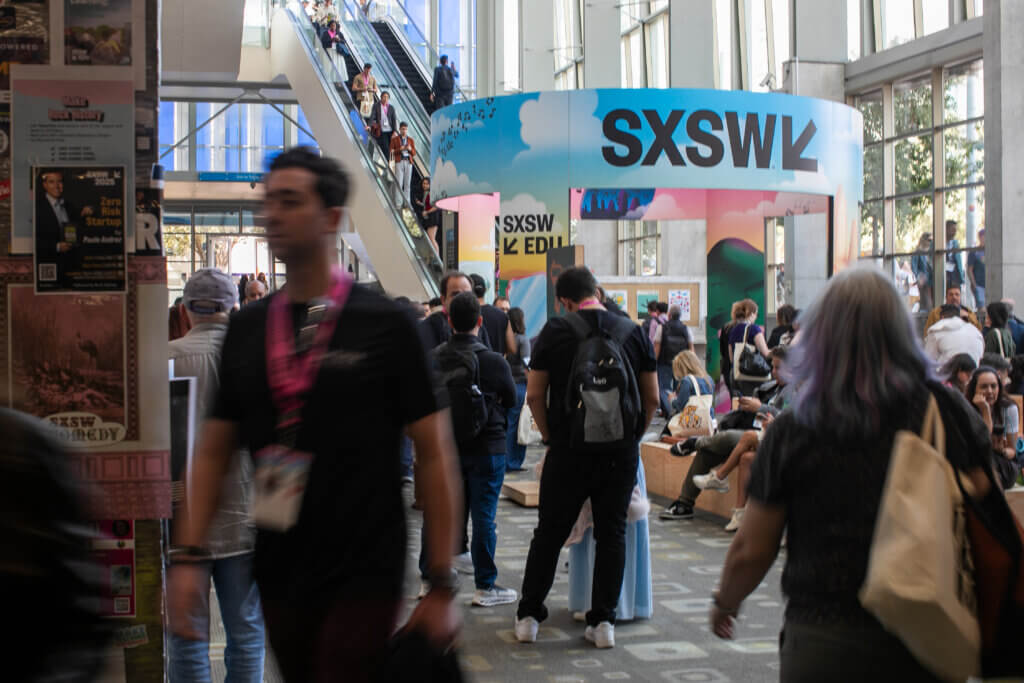
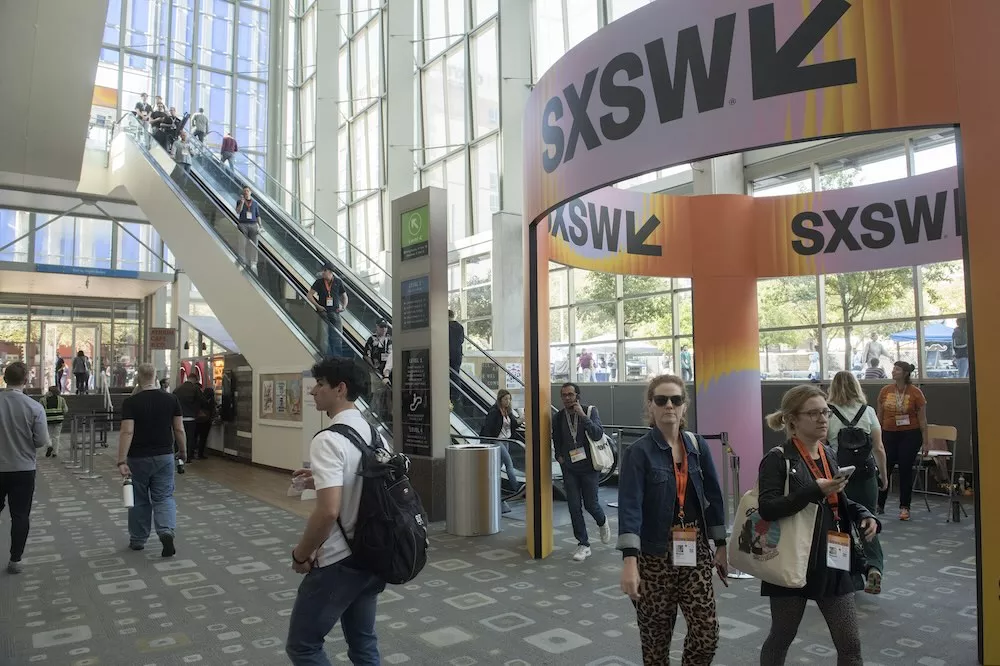
SXSW 2026 compresses to seven days and abandons the Austin Convention Center after the city locked the doors for a two-year, $900 million expansion, forcing the 39-year-old festival to scatter across 140 pop-up venues from river-front parking lots to former car dealerships.
Convention Center Shutdown Scatters Core Venues
The red-and-gray complex that once absorbed 70 percent of SXSW’s footprint is now a ring-faced construction pit. Steel girders rise where the 2019-bonded overhaul added 200,000 sq ft of column-free expo space, a new 3,000-seat ballroom, and upgraded fiber backbones the city says could not wait. Organizers had twelve months to replace 300,000 sq ft of programmable room, badge-pickup queues, and sponsor lounges. Their solution: lease three shuttered big-box stores south of the Colorado River, negotiate Sunday-through-Thursday access at 45 churches, and persuade Austin Independent School District to vacate the 1,400-seat Crockett High auditorium for daily keynotes. A former Tesla showroom on East Riverside got carpeted risers and line-array speakers, morphing into an 1,800-seat keynote hall that will host Facebook’s Meta, the mayor, and at least one drop-in presidential hopeful. City fire marshals issued 140 temporary-assembly permits, double last year’s count, while shuttle planners drafted 19 new routes because no single zone now holds more than 8 percent of total programming. Veteran attendees compare the scramble to 1987, when the first 700 registrants drifted among six downtown clubs because Austin lacked a hall bigger than 800 seats.
Seven-Day Overlap Collapses Tech, Film, and Music Tracks
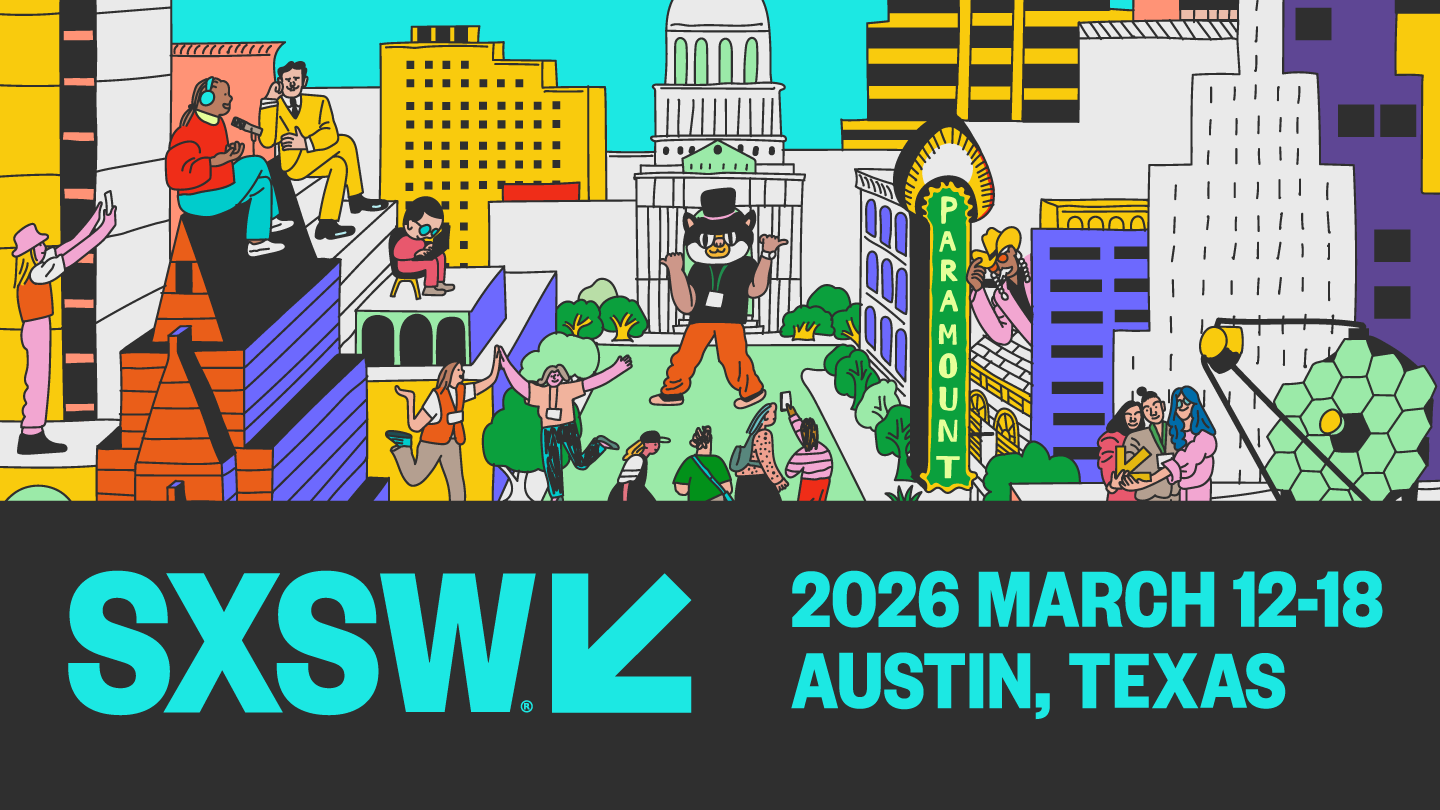
Previous festivals staggered Interactive, Film, and Music across ten days so badge-holders could dip in and out. The 2026 edition stacks every vertical inside one frantic week, March 12-18, betting that forced proximity will spark cross-disciplinary deals. A venture capitalist can now watch a neural-interface demo at 11 a.m., screen a Korean zombie comedy at 3 p.m., and still catch an Icelandic punk set at 1 a.m. without leaving the Rainey Street basin. Internal 2025 data showed only 18 percent of attendees crossed verticals; planners predict 40 percent overlap this year because the calendar removes the old two-day buffer. Panels now carry dual tags—“AI-generated soundtrack” sits in both Interactive and Film grids—feeding the marketing line of “controlled chaos.” Trade-desk staff booked 1,200 media badges, up 35 percent, assuming journalists will chase stories that leap from coding to composition within a single block.
Japanese Start-Ups Reuse CES Booths in East Austin Warehouse
Japan External Trade Organization (JETRO) booked 28 early-stage hardware companies into a shared East 5th Street warehouse after screening the same roster at CES Las Vegas in January. The move saves each firm roughly $22,000 in ocean-freight costs by reusing crates already customs-cleared in Long Beach. AMATELUS will demo free-viewpoint video rigs that let concertgoers choose camera angles on a phone; SHOSABI offers motion-capture gait training for touring dancers nursing knee injuries. Kyoto’s craft-electronica cluster pooled 3-D-printed guitar pedals, while Aichi’s delegation brought automotive AR windshields aimed at rideshare buyers already on Uber’s guest list. The warehouse floor is divided by 8-foot blackout curtains, creating a mini-trade-show that feels like a shrunken Eureka Park. JETRO staffed a bilingual help desk to translate pitch decks on the fly and will stream the demos back to Tokyo investors during the city’s Thursday morning.
Kento Kaku Vampire Comedy Lands Prestigious Midnighters Slot
Signal181, the content label actor Kento Kaku founded last spring, secured a world-premiere slot for Never After Dark, a vampire comedy set in a 24-hour karaoke bar where microphones double as stakes. The Midnighters section, which launched Paranormal Activity in 2007 and Get Out in 2016, guarantees a 1,200-seat midnight crowd famous for live-tweeting every jump scare. Distributor Well Go USA added a 3 a.m. screening in a converted auto garage on South Lamar to accommodate genre buyers flying in Friday. Industry observers call the project a test of Japanese talent moving from acting to packaging, following paths carved by Taika Waititi and Jordan Peele. Kaku arrives with interpreters, a sake sponsor, and a pop-up merch booth modeled after Tokyo’s department-store basements.
Music Marathon Expands to Seven Nights of Back-to-Back Sets
More than 1,700 acts will rotate through 80 official stages, up from 1,400 in 2025, because the tighter calendar erases the former travel gap between Interactive and Music. TOKYO CALLING returns with eight bands wedged into a Wednesday bill at the British Music Embassy, hoping to copy CHAI’s 2018 breakout that landed a U.S. record deal within 48 hours of its set. Norwegian disco trio SASSY 009 booked an Interactive-sponsored day party once reserved for SaaS product demos, underscoring how genre lines have thinned. City sound-code officers hired 22 temporary inspectors after 2025 rooftop pop-ups drew 1,400 noise complaints; fines now start at $5,000 and escalate daily for repeat offenses. To keep peace, some hotels are issuing artists decibel-meters the size of credit cards that glow red 5 dB before the legal limit.
Badge Prices Jump 12 % to Offset Pop-Up Rent
Without the city-owned convention hall’s discounted nonprofit rent, SXSW passed $3.8 million in new venue leases directly to attendees. A platinum badge bought after January 15 costs $1,595, up from $1,425 in 2025, while the hotel average daily rate inside the shuttle loop hit $412, a 23 percent year-over-year jump that outpaces Austin’s typical 6 percent SXSW markup. Budget-minded delegations are leasing East Austin Airbnb lofts for 14-day blocks, then subletting beds couch-surfing style to late-arriving musicians. The Japanese consulate in Houston chartered two Southwest 737s to land 300 delegates Sunday morning, trimming four hotel nights and dodging Monday fare spikes. Meanwhile, local food trucks formed a co-op to secure overnight parking spots, paying $600 per truck per night—triple the 2024 rate—for the right to vend within walking distance of the decentralized venues.
Noise Complaints Rise as Venues Spread into Neighborhoods
With stages popping up inside former laundromats, church basements, and empty corner stores, residents who once tolerated downtown bass lines now hear drum fills at 1 a.m. from lots that used to close at dusk. The city’s 311 line logged 1,847 sound complaints during the 2025 festival; inspectors expect that figure to top 2,500 this year because the 140 pop-up venues sit inside residential pockets that never needed acoustic permits before. Critics argue the scatter model exports congestion instead of solving it. In the Bouldin neighborhood, for instance, a Wednesday midnight set by a Danish metal collective hit 92 dB at a porch 200 feet away, triggering a $5,000 citation and an impromptu Reddit thread titled “South by South-Please-Stop.” Organizers respond by handing venue managers pre-printed apology flyers offering ear-plugs and ride-credit giveaways, a gesture some homeowners call tone-deaf when the same flyer lists a 2 a.m. after-show.
Shuttle Gridlock Tests New Routes Across the City
Moving 280,000 attendees among 140 venues forced CapMetro to add 19 pop-up routes that loop every 12 minutes instead of the usual 20. The longest ride—from a Northeast church hosting VR panels to a Southwest car dealership turned indie stage—spans 8.7 miles and crosses four ZIP codes, taking 42 minutes in free-flow traffic and up to 90 minutes at rush hour. Drivers received laminated cue cards listing alternate drop points in case a fire marshal closes a room mid-session. Meanwhile, pedicab unions recruited 250 out-of-town cyclists, offering crash courses on Austin’s bike-lane quirks and a guaranteed $400 daily haul if they log 40 rides. Ride-share demand is projected to spike 260 percent above a normal March week; Uber says it will activate a “geo-fence surge” cap to keep short hops under $18, but drivers privately predict that limit will evaporate once the Music portion kicks off.
Pop-Up Economy Sparks Pop-Up Problems
The festival’s new geography fuels an informal economy of parking-lot landlords, folding-table merch stands, and Instagram-only restaurants that appear for seven days, then vanish. A church youth group on Oltorf netted $14,000 charging $25 per vehicle on an unpaved lot that sits empty the other 358 days. Yet the same improvisation breeds confusion: on Tuesday a taco vendor set up inside a former vape shop only to learn the address had quietly changed after a lease dispute, leaving 200 prepaid lunch orders and no way to reroute the delivery drones. Austin code enforcement will field a 12-person “festival” squad to chase un-permitted vendors, a unit that did not exist before the convention center shuttered. Critics warn the city is effectively licensing a temporary ghost town, then scrambling to regulate it once the crowds leave.
International Delegates Bet Big on Shorter Window
The compressed schedule raises the stakes for overseas visitors who once planned ten-day trips. The United Kingdom’s Department for International Trade trimmed its delegation from 120 to 85 people but doubled daily meeting targets, reasoning that back-to-back verticals yield faster deal flow. Korean venture fund KCube Ventures reserved a Rainey Street bungalow for 18-hour “demo day” marathons, complete with fold-out beds so founders can pitch, nap, and pitch again without leaving the zip code. Japanese start-ups, already freight-savvy from CES, stacked product boxes inside the East 5th warehouse so each night’s teardown doubles as next morning’s furniture. Whether the seven-day sprint produces more contracts than the old ten-day stroll will not be clear until late April, yet planners insist the tighter overlap is permanent, calling the scattered map “the new normal.”
Recommended Resources
- SXSW Schedule Builder – Official web app refreshed nightly with room changes, shuttle delays, and wait-list alerts for badge-holders
- JETRO Global Gateway – Tokyo trade desk offering pitch-deck translation and up to $50,000 in U.S. market-entry grants for hardware start-ups
- Austin Film Society Pop-Up Map – Interactive PDF marking every temporary screen, plus real-time parking availability for rideshare drop-offs
- TOKYO CALLING Artist Toolkit – Downloadable guide covering visa letters, ATA carnets for touring gear, and Texas sales-tax waivers for Japanese acts
- South by Southwest Subreddit – Crowd-sourced queue times, secret-show invites, and real-time noise-complaint alerts monitored by 84,000 members
Source: SXSW press office, Austin Code Compliance, JETRO Global Gateway, Austin Film Society, public filings

Comments