Austin’s 2026 South by Southwest interactive festival closed on 14 March after debuting more than 120 generative-AI products, policy blueprints, and venture capital pitches in seven days—an unmistakable sign that the once-novel technology has moved from slide decks to shipping code.
Ad-Quality AI Videos Render in Under Two Minutes
On the courtyard stage of the Austin Convention Center, a six-person crew from Lisbon-based Loomatic Labs typed a ten-word brief and, 92 seconds later, projected a finished 30-second television spot complete with script, footage, voice-over, and soundtrack. The demo ran on pre-release Nvidia B300 graphics cards, yet engineers said raw compute was not the breakthrough. Instead, they credited a new “visual consistency layer” that locks faces, color palettes, and brand logos across every shot—solving a quality-control headache that has plagued advertisers since text-to-video tools first appeared. Within 24 hours Adobe, Canva, and Figma each counter-announced rival pipelines promising similar fidelity, betting that 2027 will be the first year in which the majority of social-video advertisements are machine-generated. Media-buying agencies watching the sprint said the shift could compress production calendars from weeks to hours and slash outside costs by as much as 70 percent for regional campaigns. In Austin, for instance, a boutique agency that previously outsourced social spots to a Dallas studio told festival visitors it now budgets one laptop and one prompt engineer for the same deliverables—an unexpectedly blunt admission that rattled nearby production crews.
Health-Care and Ed-Tech Startups Land Quick Funding
Health-care AI dominated the accelerator pitch hall. San Diego startup CardioSift displayed results from 28,000 smart-watch recordings, claiming 91 percent sensitivity in detecting left-ventricular dysfunction from just 15 seconds of heart-rate data. Across the aisle, Seoul’s MediScribe demonstrated a Korean-language model that drafts hospital discharge paperwork in seven minutes, down from a 70-minute human average, and inserts mandatory insurance codes automatically. Both teams entered the week with modest seed rounds; by Friday they had signed an extra $38 million in seed-extensions after a procession of specialty health-tech venture funds asked for co-investor slots. Education drew parallel enthusiasm. Berlin’s EduForge won the public-vote prize with a federated-tutoring network that lets school districts share fine-tuned math and reading models without moving student data off-site, a privacy architecture that also secured a €4 million grant from the EU Digital Europe Programme. Festival judges noted that regulated industries are now viewed as safer bets than consumer novelty apps, because hospitals and schools sign multi-year contracts before the product is scaled.
U.S. and EU Outline Conflicting AI Rulebooks
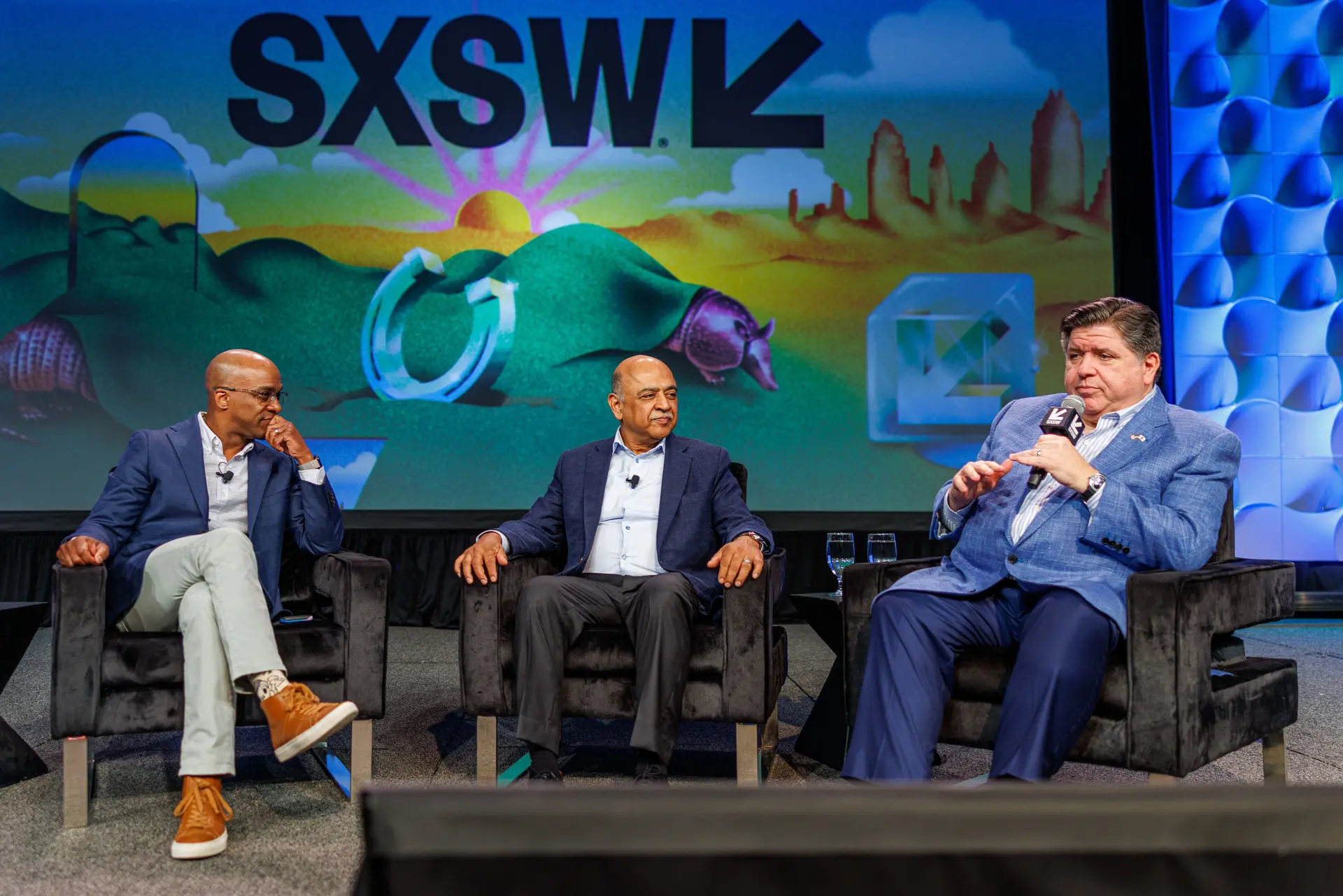
At a closed-door policy round table on 12 March, the U.S. Commerce Secretary floated a draft that would divide AI models by training-data size: systems built on more than 10 trillion tokens would face mandatory third-party red-team audits, while smaller open-weight models could self-certify against a risk checklist still being drafted. European Commission vice-president Margrethe Vestager, speaking hours later in the convention ballroom, rejected that metric and warned Brussels will instead apply market-share thresholds, a move that could ensnare Apple, Google, and TikTok even when they deploy midsize models. Negotiators left Austin with no consensus on training-data copyright or cross-border red-team reciprocity, but agreed to convene again in Geneva this June. Corporate lawyers in attendance said companies may end up maintaining two compliance stacks—one for each jurisdiction—raising operating costs for global platforms and possibly delaying European launches of U.S. products that rely on large-scale generative training. Critics argue the split favors incumbents that can afford dual legal teams while squeezing mid-size startups that hoped a single audit would satisfy both continents.
Delivery Robots and Drone Shows Occupy City Streets
Outdoor demonstrations, once corralled in carpeted pens, spilled onto downtown sidewalks after Austin granted temporary beyond-visual-line-of-sight permits for the festival week. Czech startup WalkDrum trotted a four-legged courier bot along Congress Avenue at an average 4.2 mph, handing out 1,200 barbacoa tacos with a 0.3 percent spill rate—below the 0.8 percent DoorDash reports for human cyclists on similar routes. Each successful drop triggered a Bluetooth receipt that updated city traffic planners in real time, data destined for a Texas Department of Transportation white paper on autonomous urban couriers due in Q4 2026. After sunset, Austin-based UAV firm SkyThread launched a five-drone light show steered by a diffusion model that forecasts micro-weather in 30-second increments, allowing tighter formations than Federal Aviation Administration rules normally permit. Festival-goers watched the swarm spell “SXSW” above the Colorado River while a separate algorithm adjusted rotor speed to counter sudden 6-mph wind gusts detected by on-board lidar. Both pilots will upload sensor logs to state engineers studying how autonomous machines share space with pedestrians, cars, and emergency vehicles. Meanwhile, local restaurants reported a 12 percent uptick in late-night orders when the drone formations appeared—an accidental revenue bump city economists plan to cite when lobbying for extended flight windows next year.
Film Studios Brace for AI Labor Shift
Hollywood writers and voice actors used the festival to dissect last year’s SAG-AFTRA strike settlement with game developers and indie producers. The accord guarantees explicit consent and residual payments when an AI replica of a performer is used, yet loopholes remain for “synthetic extras”—background voices heard for fewer than 30 seconds. Austin Studios, the city’s municipal production lot, told the crowd it will voluntarily tag every AI-generated performer in closing credits starting 1 January 2027, hoping transparency will pre-empt stricter state legislation introduced in California and New York. Meanwhile, storyboard start-up StorySeed released budget data from 14 independent films showing average below-the-line costs fell 17 percent when pre-visualization AI was used to replace hand-drawn panels. Union delegates warned that set painters, location scouts, and first-pass editors may absorb the earliest wave of automation long before star salaries feel pressure. Attendees left the session divided over whether on-screen talent or off-screen crews face the larger near-term threat; the question lingered, unanswered, through the final panel and into the closing-night party.
Useful Resources
- 2026 SXSW Pitch Archive – Free, searchable video library of every startup presentation, indexed by sector, funding stage, and founder demographics.
- MIT Technology Review AI Governance Tracker – Updated comparison table of global regulatory proposals introduced since January, with side-by-side analysis of liability, copyright, and export-control clauses.
- NIST AI Risk Management Framework – Practical worksheet handed out at the policy hackathon; download as Excel or PDF to map model attributes against likelihood of harm.
- Austin Transportation Department Micromobility Report – Raw lidar and GPS logs from the festival’s robot-courier pilot, released under open-data terms for public analysis.