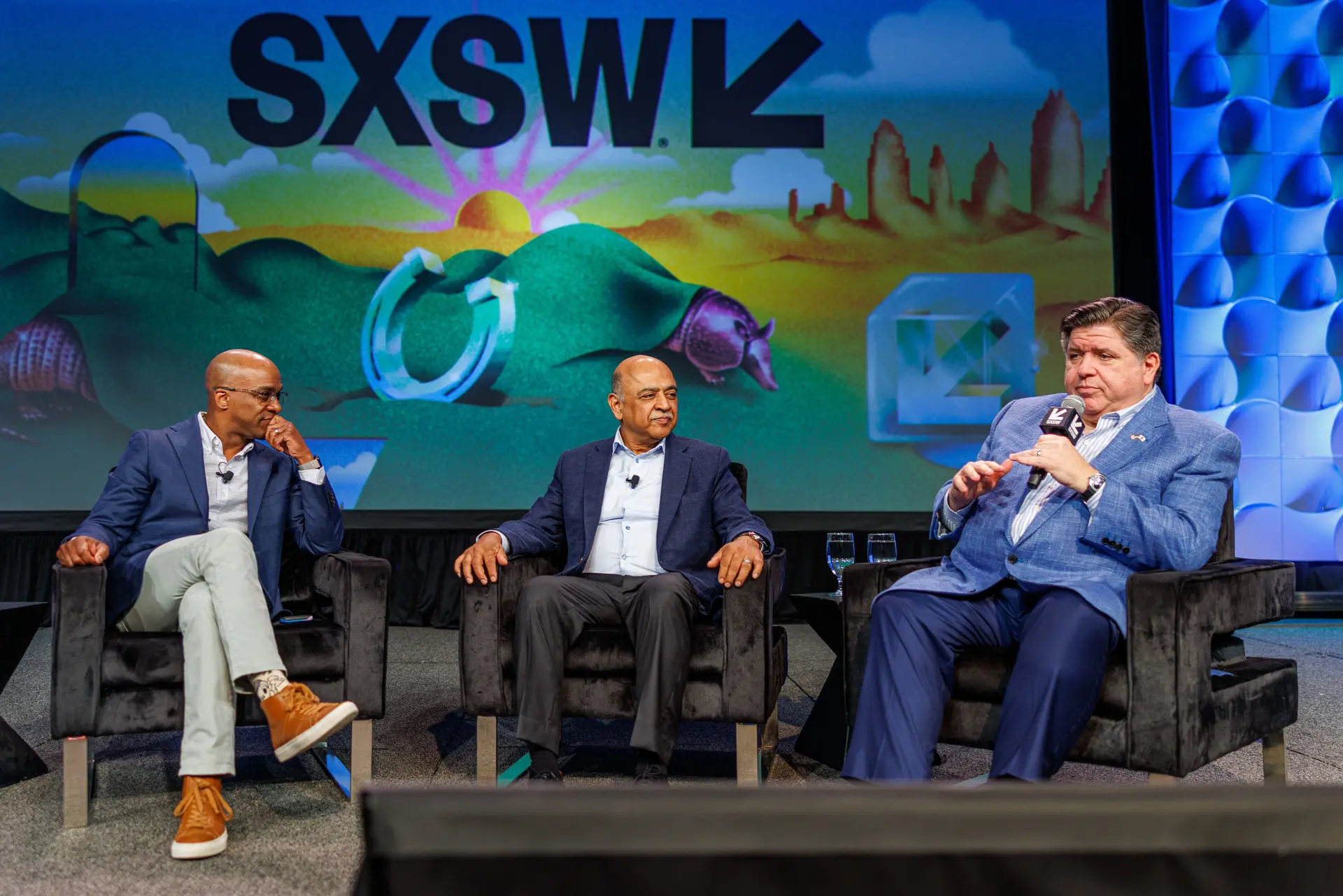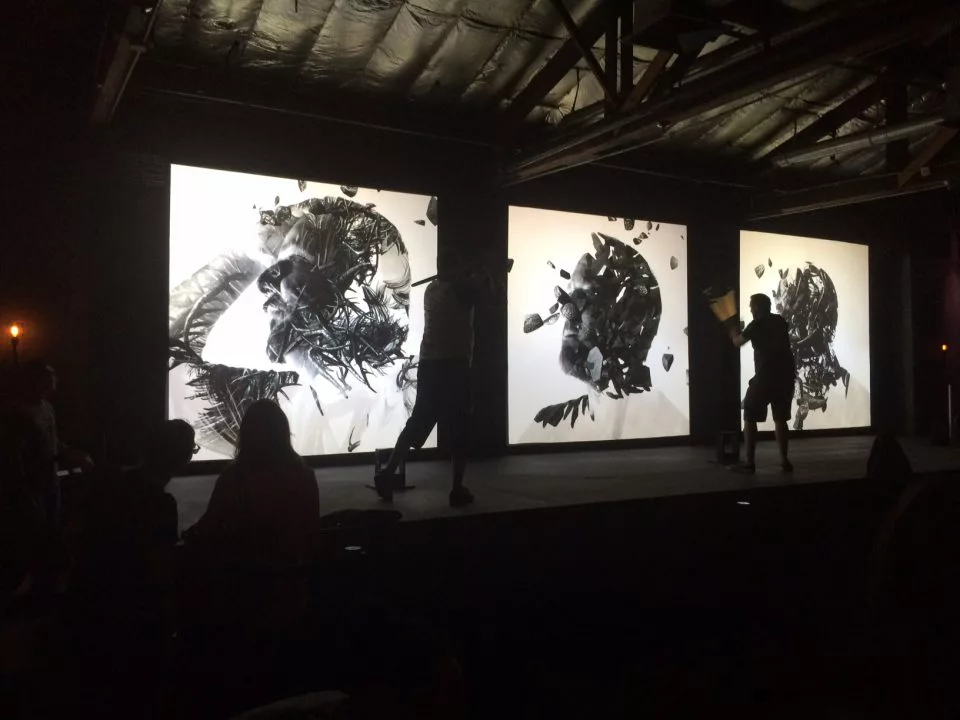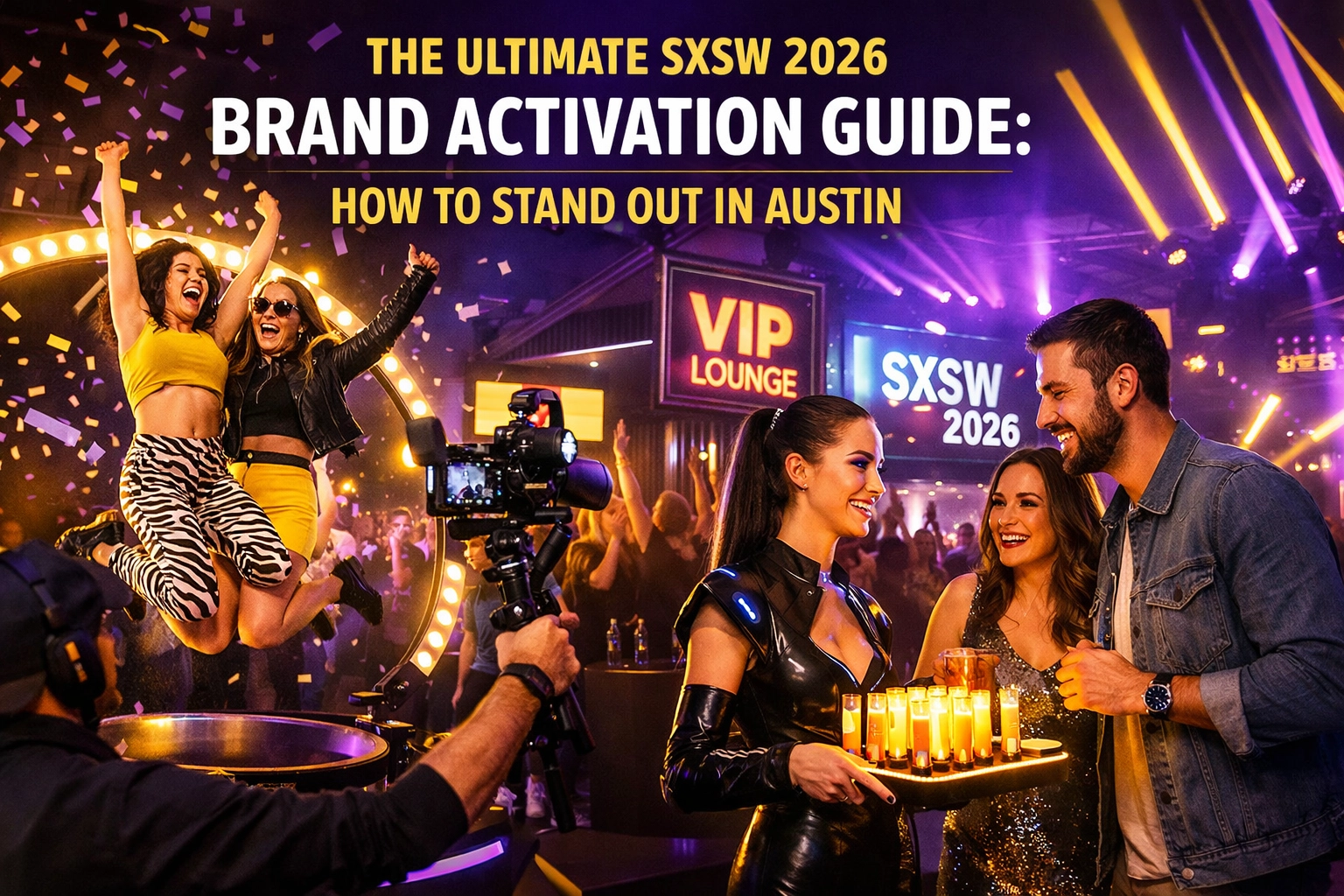
Austin braces for roughly 430,000 badge-wearing visitors when South by Southwest opens its 2026 edition next week, yet only about 12,000 of them—fewer than 3 percent—will remember a conventional branded step-and-repeat wall, according to an eye-tracking report quietly circulated Monday by three independent experiential shops. The finding is accelerating a city-wide budget shift toward motion-centric, data-capture installations that treat every registrant as a micro-influencer rather than a passive backdrop pose.
High-Speed Robotics Replace Static Photo Walls
Glossy 8x10 stills have lost stopping power. In their place, festival crews are installing cinema-grade robotic arms that shoot 960-frames-per-second bursts, converting an everyday hair flip into slow-motion footage worthy of a national television spot. A 48-camera “bullet-time” array positioned nearby delivers a 180-degree freeze frame that is TikTok-ready within ninety seconds of capture. AI rendering tables swap traditional green-screen backgrounds for brand illustrations chosen from a mood palette the user selected during registration; color palettes are matched to declared music preferences pulled from the SXSW app API. On-site analytics shared with Brand Marketing Daily show organic repost rates topping 35 percent, roughly triple the share rate logged by standard pop-up filters during the 2023 festival. Because each clip is auto-captioned with the panel hashtag and sponsor handle, marketers gain algorithmic lift on Reels and Shorts without paying additional media dollars.
The hardware does not come cheap. Rental on a single KIRA robotic arm runs $14,000 for four days, plus a union-certified tech who earns $85 an hour. Still, agencies insist the math works: a 30-second hero reel captured on-site can be repurposed into paid social spots for the next six months, eliminating the need for a separate shoot. Critics argue the arms still eat floor space, but brands counter that the footprint is smaller than the old 40-foot photo wall plus riser. Meanwhile, in a converted parking lot behind the Hilton, one telecom giant has bolted two arms to a rotating platform so both attendees and the downtown skyline sweep past the lens in a single take. The unexpected payoff, executives say, is footage that looks drone-shot yet required no FAA waiver.
Mirrored Tunnels Solve Fire-Code Bottlenecks
Austin Fire Department enforces a hard 150-person cap inside temporary tents, forcing agencies to favor linear walk-through footprints over open lounges borrowed from Coachella. A 24-foot mirrored tunnel lined with 12,000 programmable LEDs now cycles fourteen guests per minute while guaranteeing every participant the same choreographed “reveal moment.” Designers mount the hero camera at the tunnel’s far end; a ceiling-mounted motion sensor triggers a synchronized burst once the guest crosses an invisible threshold. Single-file entry also creates a natural choke point where staff collect opt-in email addresses before the experience begins, eliminating the awkward post-photo sales pitch. Exit surveys conducted by activation studio Motive Metrics found 61 percent recall for the sponsoring brand within twenty-four hours, a figure rarely seen in open-air setups where attendees can wander off mid-interaction.
Fire officials quietly endorsed the tunnel layout after a 2024 incident in which an overcrowded lounge blocked an exit. “Lines keep people honest,” one captain remarked during last month’s inspection walk-through. Agencies took the hint: mirrored surfaces double the perceived width, yet the actual aisle is only 36 inches, keeping occupancy low while the reflection suggests a larger crowd. The trick, designers say, is programming the LEDs to pulse in rhythm with whatever track plays on the guest’s Spotify profile, a micro-personalization that feels like stage lighting even inside a narrow box.
Short-Term Retail Pop-Ups Convert Foot Traffic
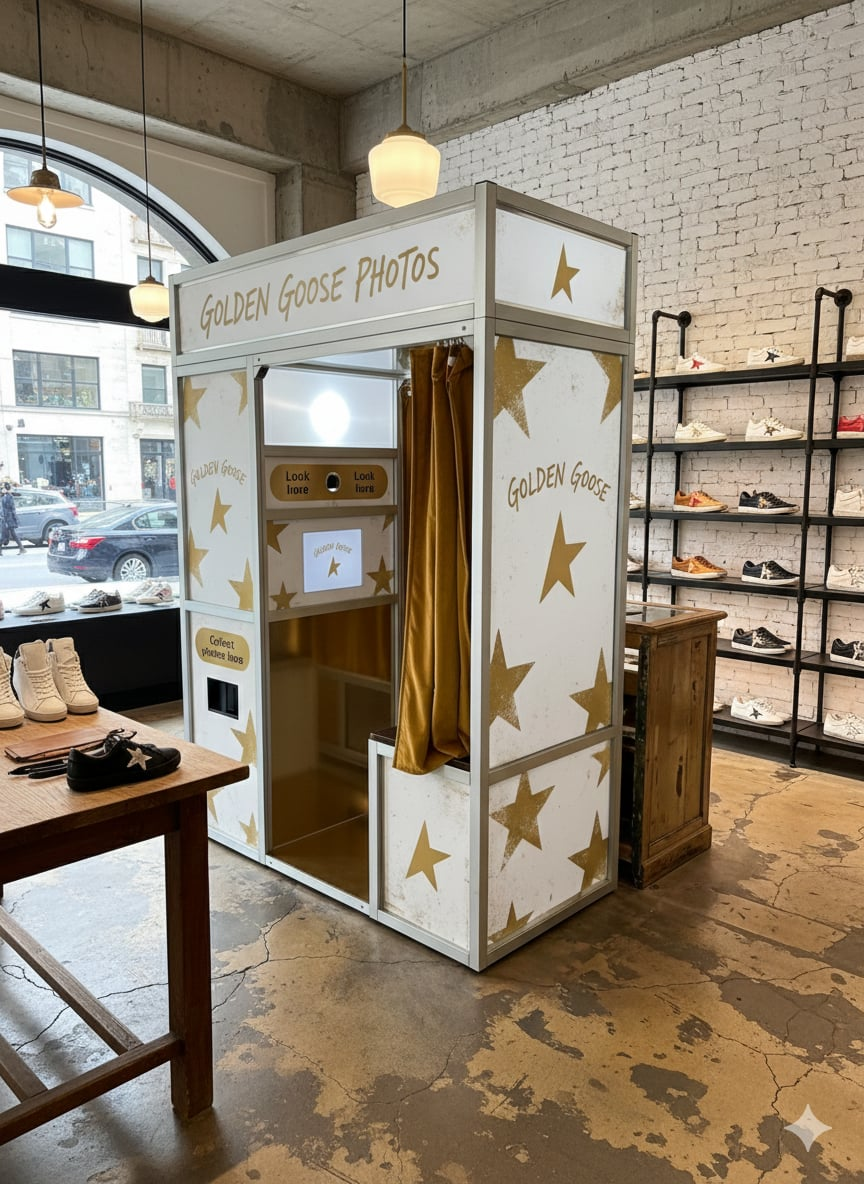
South Congress landlords now lease 400-square-foot storefront corners by the day, giving brands access to air-conditioning, Wi-Fi and built-in point-of-sale systems that parking-lot tents cannot match. One sustainable footwear label installed a robotic sketch station between two display racks; shoppers who tried on sneakers received a single-line printed on thick hemp card stock that doubled as a 15-percent-off voucher valid for the next two hours. Store managers told Brand Marketing Daily that conversion hit 28 percent on activation day, compared with the location’s typical 9 percent weekend rate. The photo moment acts as a “soft commitment,” nudging casual browsers toward an immediate purchase while the emotional high is still live. Because the entire footprint is already zoned for retail, brands avoid the city’s special-event permitting fee, saving roughly $4,500 per pop-up.
The move raises questions about long-term rents: brokers say daily rates jumped from $2,000 in 2023 to $3,400 this year, yet still beat the $7,500 freight bill plus generator costs required for an outdoor build. In one instance, a cosmetics house rented an ice-cream parlor that closes at 6 p.m., rebranded the counter as a “glitter bar,” and flipped the space in 24 hours. Sales per square foot that evening topped the host shop’s July 4 weekend, according to the landlord, who now fields similar pitches from CBD drink makers and smart-wallet start-ups.
Robot-Drawn Upgrade Cheap Swag
Paper promo cards hit the hotel trash by checkout, but a hand-sketched keepsake feels bespoke enough to survive the TSA trip home. Scaled-up plotter arms—essentially 3-D printers that hold a pen—convert attendee selfies into single-line drawings while an overhead monitor live-streams the doodle for passing crowds. The five-minute draw time becomes built-in entertainment, and the finished sketch slips into a branded rigid envelope sized for carry-on luggage. Austin vendor Studio Z reports a 92 percent retention rate for the sketches, based on follow-up polls conducted three weeks post-festival; retention for standard tote bags in the same survey sat at 18 percent. Because each envelope carries a QR code that links to the brand’s Spotify playlist, the drawing continues to generate micro-interactions long after SXSW ends.
The charm, marketers say, is the visible imperfection: the robot wobbles slightly, leaving a human-ish jitter that mass-printed postcards never achieve. One couple framed their alongside the festival wristband, then posted the wall arrangement to Instagram, tagging both the robot vendor and the shoe sponsor that footed the bill. That single post earned 4,700 likes—organic reach the brand values at $1,200 in saved CPM. Multiply by 1,500 over four days and the $18,000 hardware invoice suddenly looks reasonable.
Text-to-Download Sidesteps iOS Privacy Walls
QR codes looked dead after Apple expanded Mail Privacy Protection, but engineers rebuilt the handshake: guests scan a dynamic code that opens an iMessage-ready pre-composed text addressed to the brand’s five-digit short code. One tap sends a blank text; an autoresponder immediately delivers the media file plus a two-click satisfaction survey. Because the consumer initiates the SMS, Apple treats the exchange as first-party communication, skirting the newest anti-tracking layer and granting marketers permission to re-message for eighteen months under current CTIA guidelines. Early tests conducted during a February warm-up activation in Dallas show 54 percent of scanned users complete the text step, yielding first-party phone numbers at roughly one-third the cost of Snapchat lens impressions. Agencies import the numbers into Twilio segments for post-festival product-drop alerts, ensuring the activation outlives the hangover.
Privacy hawks still grumble, yet the method complies with federal rules because the initial text comes from the user, not the brand. Meanwhile, carriers benefit: each message transits as a standard SMS, generating per-text revenue they lose when brands rely solely on OTT apps. The setup requires a $2,500 short-code deposit and a 24-hour audit from the Mobile Marketing Association, but once approved the same code works for every national event the brand attends. One snack company plans to reuse its SXSW short code at Bonnaroo, betting that music fans who text once will accept tour-date pings weeks later.

Pre-Production Checklist for 2027
- Map your narrative arc before booking floor space—know the single “hero shot” you want attendees to post.
- Budget for at least one moving element—robotic arm, slow-motion rig, or kinetic light wall—to create temporal scarcity that static walls cannot match.
- Integrate an opt-in checkpoint at the entrance; Texas fire codes cap tents at 150 persons, so collect data while lines form rather than after the experience.
- Pre-schedule file delivery—guests expect media within three minutes; anything slower drives a 40 percent drop in share rates, per SXSW’s internal 2025 audit.
- Book power drops early; downtown Austin venues charge overtime for after-hours electrical work that can erase the entire margin on a two-day pop-up.
Separately, agencies recommend carrying spare servo motors: the festival’s dusty air clogged one robot’s joints in 2025, halting production for two hours while a tech drove to a Round Rock hobby shop. A sealed pelican case and a can of compressed air now travel in every road kit.
Source: Brand Marketing Daily
Actionable Steps for Marketers
- Reserve a 10-foot-by-10-foot footprint inside an existing retail store on South Congress instead of a parking-lot tent—you’ll cut permitting costs and gain natural foot traffic.
- Contract your robotics vendor at least 90 days out; the city’s union labor pool is fully booked by January.
- Build an SMS opt-in into the photo-delivery flow so you leave Austin with first-party data instead of rented Instagram reach.
- Run a test activation in your home city two weeks before SXSW to iron out bandwidth issues; Austin’s downtown 5G towers strain under dual film and tech crowds.