
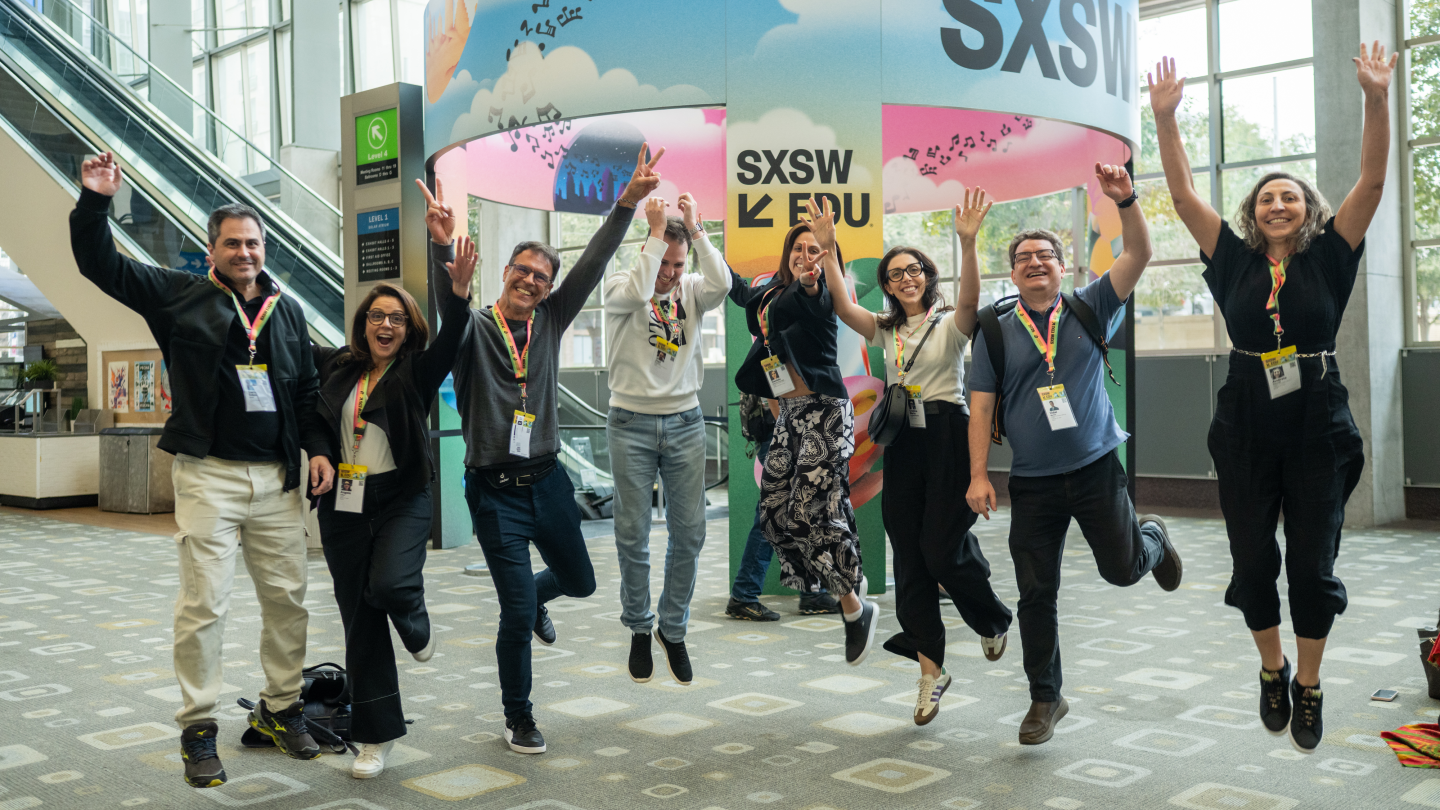
Austin, 10 March 2026 – Eight pre-seed startups left SXSW Pitch on Sunday with USD 1.6 million in SAFE notes and a guaranteed calendar of one-on-one meetings with 27 venture funds next month, the festival’s largest early-stage purse to date.
Eight Startups Secure USD 200 k Each After 15-Minute Demos
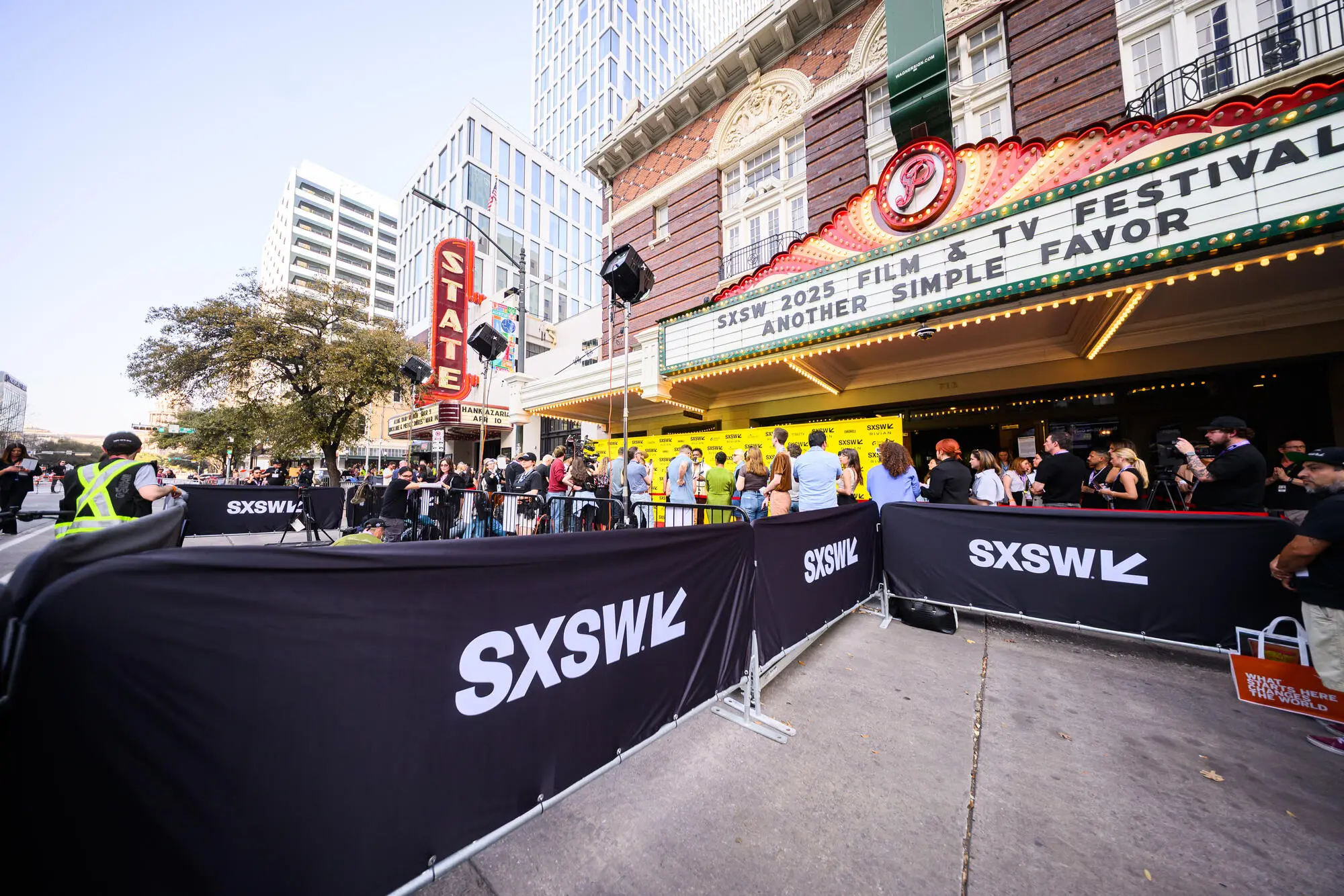
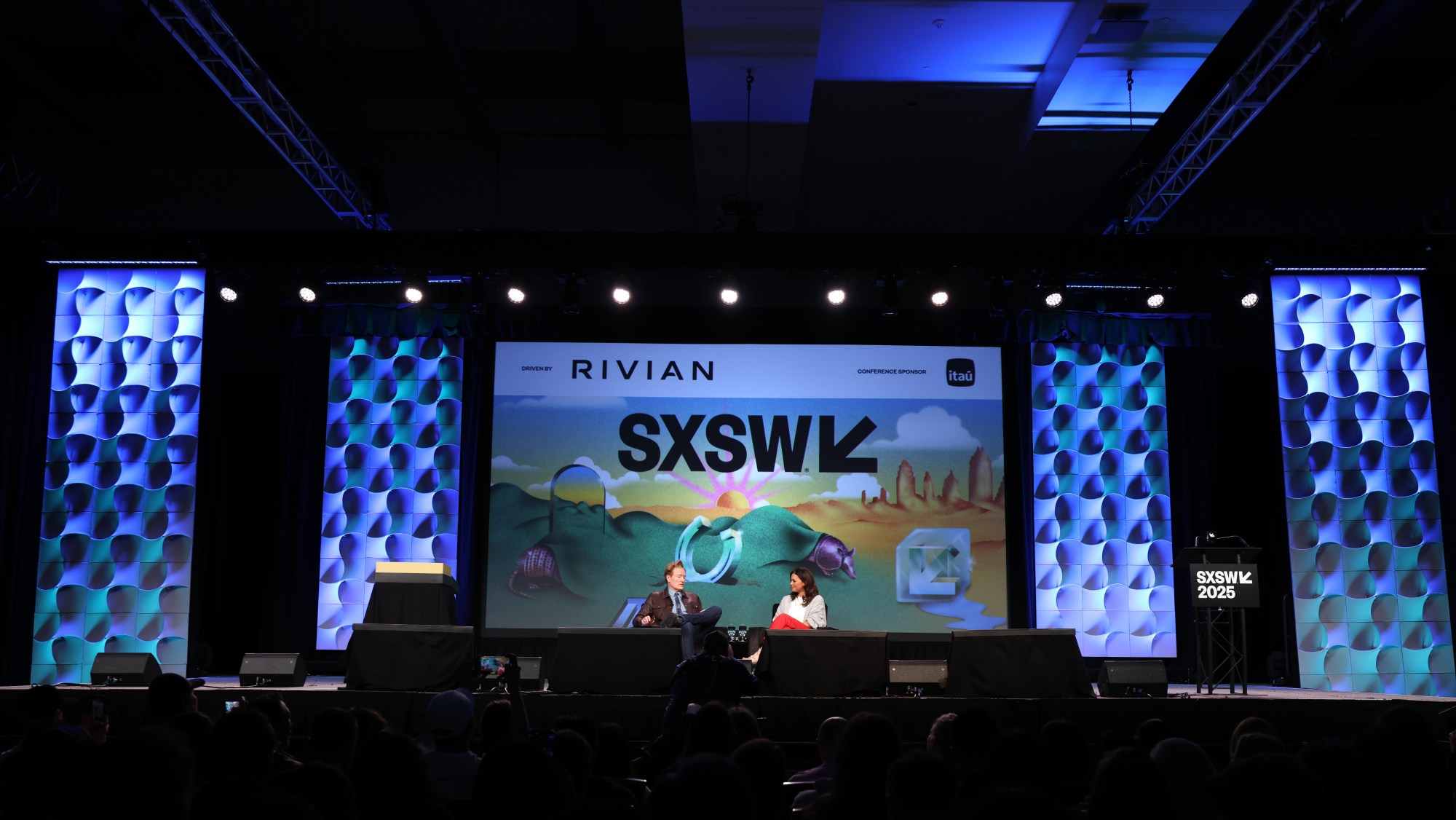
The final face-off filled the dimmed ballroom of the downtown Hilton, where 48 founders had spent three days giving ten-minute product demos followed by five minutes of rapid-fire questioning. When the gavel dropped, one company from each tracked vertical was handed a USD 200 k SAFE at an USD 8 million cap and an automatic slot in the June “Demo Day West” caravan that will roll through Menlo Park, Santa Monica and Seattle.
CardioFlux, spun out of Carnegie Mellon, won HealthTech by showing real-time video of its room-temperature magnetometer mapping a full coronary blockage in 92 seconds; the disposable sleeve is already running IRB-approved pilots at UPMC, Cleveland Clinic and Emory. TerraForm Bags, founded by two marine biologists in Lima, took Sustainability by converting shrimp-shell waste into a transparent film that degrades in 45 days and undercuts polyethylene by 18 percent. ClipLite, a Seoul-based team of former Naver engineers, captured Creator Economy by auto-generating subtitles in 30 languages for TikTok and YouTube editors while cutting post-production cost 70 percent compared with manual agencies.
Investors Publish Harder Due-Diligence Playbook
Between pitches, limited-partner panels spelled out a colder reality for entrepreneurs chasing the next check. Jenny Wu of Horizon Seed Fund said her pre-revenue memo now demands “ARR clarity,” meaning founders must build a bottoms-up total addressable market spreadsheet she can audit line-by-line. Mike Devereux, venture principal at BP Ventures, warned that any carbon-reduction claim must arrive with third-party life-cycle data “or it’s just marketing slides.”
On-stage data from PitchBook showed the median pre-seed round now needs 112 days to close, up from 68 days in 2023, as technical deep dives and cap-table forensics stretch calendars. One limited partner said she has begun asking for “evidence of customer willingness to pay” before the product even ships, a request that would have been laughed out of the room two years ago. Critics argue the new bar sidelines teams without finance-heavy co-founders, yet funds insist the tighter filter protects downstream investors from quick write-offs.
Austin Debuts Visa Fast-Track and Texas-Only Side-Car
City officials used the festival spotlight to unveil “Austin TechWorks,” a municipal program that shortlists international founders for a visa alternative to the clogged H-1B lottery, promising a decision within 45 days instead of the customary five-month federal clock. Capital Factory, the 12-story downtown accelerator, simultaneously signed cooperation agreements with three Mexican venture studios—Guadalajara’s G-18, Mexico City’s Arkange and Monterrey’s Tec-Ventures—promising shared desk space and rotating mentor residencies.
Local angels quietly closed a USD 15 million side-car fund nicknamed 512 Follow, reserved solely for the competition’s top-ten finishers. Organizers said the vehicle gives Texans first right to maintain pro-rata ownership when coastal Series A investors descend, an attempt to keep equity—and future capital gains—inside the state. In Austin’s Rainey Street bars, founders debated whether the parochial structure will limit Series B optionality; others toasted the rare chance to keep cap tables close to home.
Judges List the Four Pitch Mistakes That Deals
Across 48 presentations, the same errors resurfaced often enough that organizers printed them on red cards and handed them to every quarter-finalist. Founders routinely inflated TAM by folding adjacent industries into a single slide, cited “AI” without clarifying training-data ownership, dodged unit-economics questions with “vision” narratives, and refused to state exact monthly cash-burn when asked. “Answer the burn question head-on,” urged Alina Kwan, a scout for Sequoia’s seed program. “Storytelling wins applause, but spreadsheets close rounds.”
Several judges admitted they stop listening once a slide claims a billion-dollar TAM without footnotes. “Show me the customer you talked to yesterday, not the white-paper you read last year,” added Kwan, repeating a mantra that drew loud applause from the investor table. The blunt feedback felt unexpectedly personal to some first-time founders, yet veteran pitchers called it overdue accountability.
Afternoon Workshops Turn Founders Toward Execution
Once winners were photographed, the program pivoted from pitching to operating. SaaS teams in the “Go-to-Market” breakout were told to price against documented customer savings rather than feature count, because 2026 procurement committees now run three-times longer approval chains than in 2021. SunGrid, a 2025 alum that wires battery software to commercial rooftops, revealed a co-sell agreement with Siemens Energy that unlocked 14 European utilities in six months and trimmed enterprise sales cycles 41 percent.
In a separate room, Deel’s head economist said demand for Latin-American talent is up 90 percent year-on-year, advising founders to open local entities before contractor reclassification risk surfaces. “If you wait until the labor ministry knocks, you’ve already missed the window,” she warned, noting that Argentina and Colombia are both tightening freelancer rules. Meanwhile, Stripe’s onboarding lead walked through a new checkout flow that lifted mobile conversion 12 percent for early testers, a figure that had half the room scribbling notes.
New Funds and Perks Await 2027 Applicants
SXSW organizers announced the application portal for next March opens 1 July, with an expanded perk stack that includes USD 50 k in Amazon Web Services credits, one-year subscriptions to PitchBook and a new “regulatory concierge” staffed by Cooley LLP that promises to answer cap-table questions within 24 hours. City economic-development officials hinted that the visa fast-track will add a parallel track for Canadian founders, hoping to poach Toronto and Vancouver teams discouraged by stalled U.S. immigration reform.
Separately, the festival booked a 30 000-square-foot hangar east of the river for an on-site prototype lab outfitted with CNC machines and 3-D printers so hardware teams can demo working devices instead of renderings. Whether the richer prize package will offset tougher investor scrutiny remains an open question. For now, the eight 2026 champions are packing for California, spreadsheets in hand, ready to swap festival stages for due-diligence data rooms.
Action Steps
- Download the 2026 SXSW Pitch briefs to benchmark how winners framed TAM and burn rate.
- Map your next fundraise against the 112-day median timeline and schedule investor meetings one quarter earlier.
- If you use international contractors, open a local entity before the 90-day onboarding mark to avoid reclassification fines.
- Prepare life-cycle data now for any sustainability claim; third-party verification takes six to eight weeks.
- Reserve your 2027 SXSW application slot when the portal opens 1 July—slots filled in nine days last cycle.
Source: SXSW Pitch press room, PitchBook NVCA Venture Monitor, City of Austin Economic Development Department


Comments