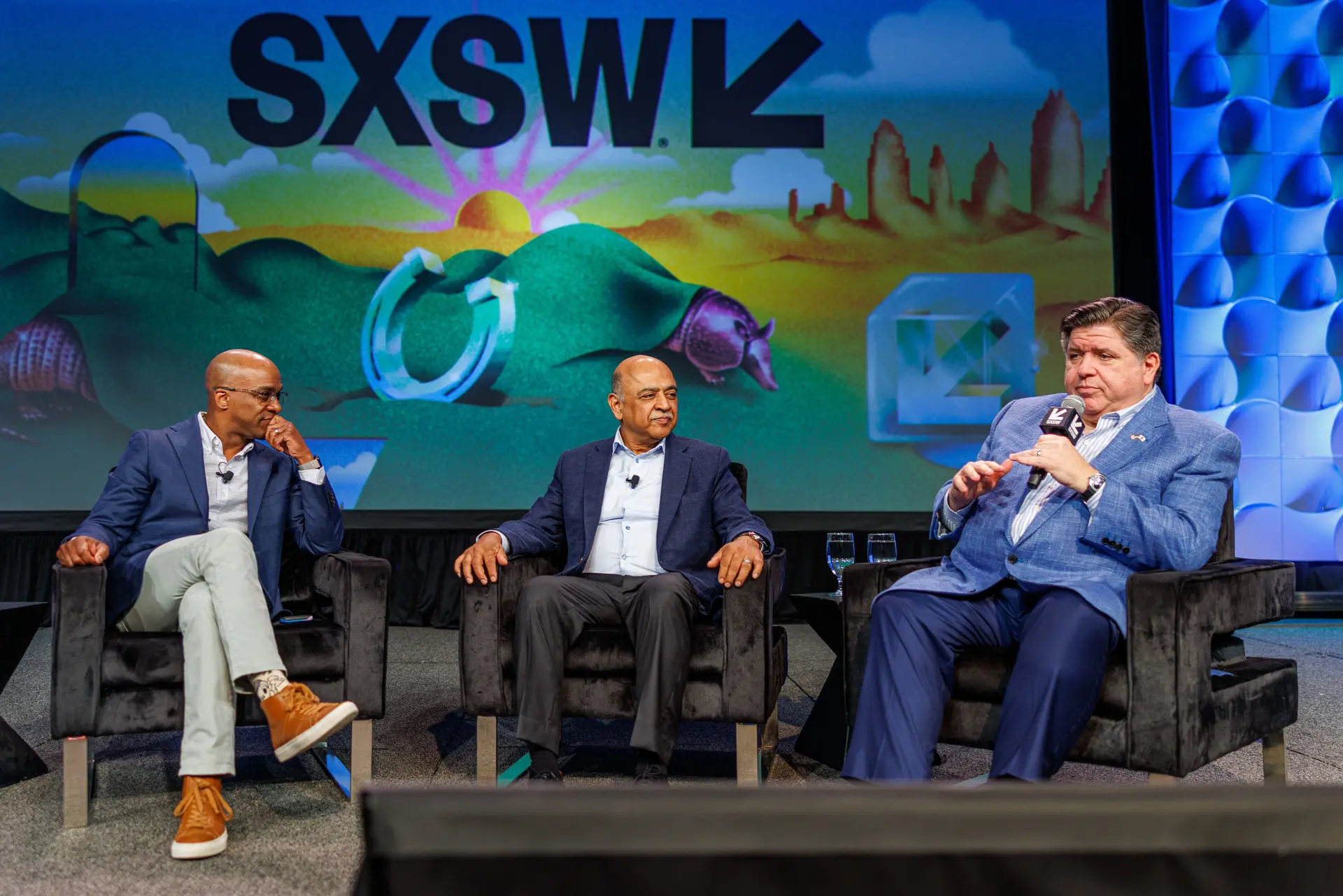
Austin, 10 March 2026 — South-by-Southwest on Monday locked in its 2026 headliners: Affectiva co-founder Rana el Kaliouby, veteran business editor Bob Safian, and bricolage sculptor Tom Sachs. The trio will anchor the March 12-18 conference’s opening day, organizers said, setting an unusually candid tone for a festival that has sometimes leaned on hype.
AI Emotion Pioneer to Release Global Sentiment Dataset
Rana el Kaliouby will open the program by releasing Affectiva’s year-long, 50-nation survey on how people actually feel while using generative-AI tools. The unreleased spreadsheets hold 2.3 million micro-expressions captured through laptop cameras and phone sensors, giving coders a first baseline for “emotional churn” triggered by chatbots, voice clones, and algorithmic feeds. Festival director Greg Rosenbaum told reporters the drop is meant to ground later debates on child safety, algorithmic bias, and privacy law without relying on anecdote. Attendees who bring a USB-C drive can copy the anonymized set on site; organizers will not email files afterwards, citing GDPR redaction complexity. Immediately after the data hand-off, el Kaliouby and Safian will debate whether investor pressure is pushing the sector toward systems that replace rather than augment human cognition, a tension they argue will decide regulatory timelines in both Washington and Brussels.
Fast Company Alum and Artist Tom Sachs Anchor Opening Day
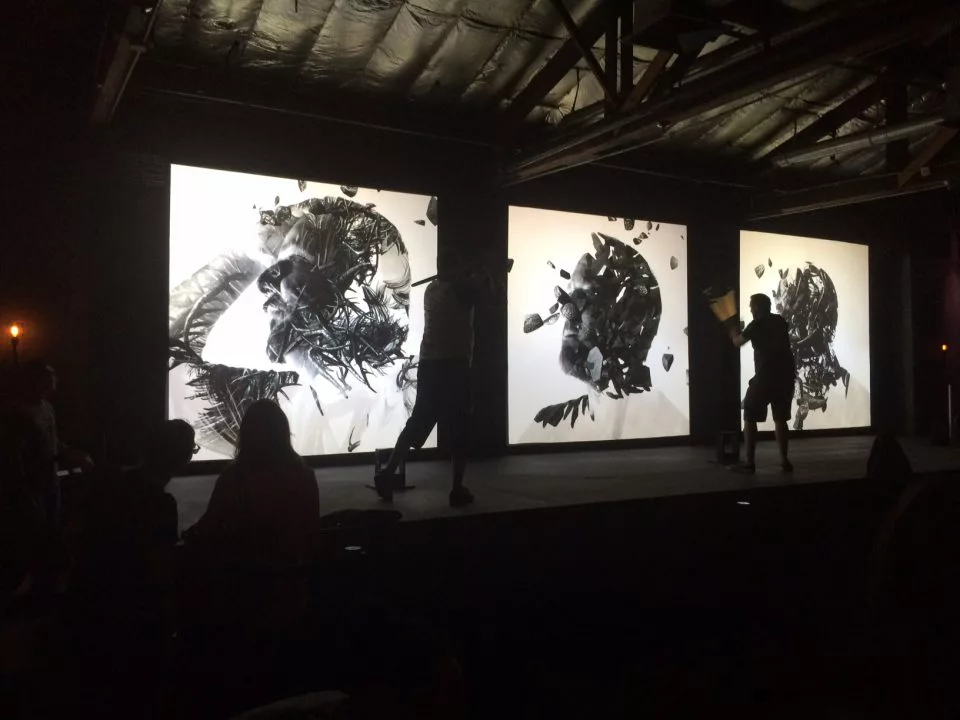
Once the emotion-AI session wraps, Bob Safian will shift the lens from lab to boardroom, interviewing early-stage founders on burn-rate culture and the collapse of the 2021 “growth-at-any-cost” playbook. Safian, who edited Fast Company through the 2008 and 2020 downturns, plans to press CEOs on why layoffs are still branded “strategic restructuring” instead of risk-mismanagement. New York sculptor Tom Sachs caps the morning with a bricolage keynote, screening time-lapse footage of his De Young Museum installation in which every bolt, bracket, and plywood sheet was handmade or altered on site. Sachs—once a graffiti writer who built knock-off NASA gear from duct tape—will draw a direct line between skateboard workshops and lean hardware cycles, arguing that start-ups obsessed with “minimum viable product” often skip the tactile prototyping that prevents costly recalls. He will invite three hardware founders on stage to assemble a rudimentary satellite chassis in under ten minutes, using only screws painted to mimic aerospace-grade titanium. The stunt, Sachs says, is meant to dramatize how physical iteration can expose flaws that CAD screens miss.
CNBC Host, Kalshi CEO to Stage Real-Time Prediction Market
Andrew Ross Sorkin’s afternoon book teaser, “1929: Inside the Greatest Crash in Wall Street History,” contends that 1920s margin-loan mania rhymes with today’s retail-options boom, down to the ticker-tape slang. Kalshi CEO Tarek Monsour will then build a regulated prediction market on 2026 Oscar winners in under five minutes, walking the audience through CFTC compliance as prices flicker on screen. Monsour has pledged to hand five on-stage volunteers $500 in exchange credits so they can feel how quickly pop-culture risk gets repriced when real money is at stake. The exercise previews Kalshi’s upcoming contracts on summer box-office receipts, a product line delayed since 2024 by agency reviews. Audience members who open a free practice account before arriving can mirror the trades on their phones, a gambit SXSW hopes will demystify derivatives for creatives who normally ignore exchanges. Critics argue the demo glosses over downside risk, yet Monsour insists transparency is the point: “You see the price move in real time—no hiding.”
Disney, Spotify, Hello Sunshine Executives Chart Youth Trends
Disney Consumer Products president Tasia Filippatos will explain how the 100-year-old studio keeps Mickey, Marvel, and Star Wars relevant through TikTok “drops” that disappear after 24 hours, a tactic that last year generated a 38 percent engagement lift among Gen-Z viewers. She will screen unreleased storyboard animatics showing how character colors are A/B-tested to reduce scroll-past rates by milliseconds. In Austin, for instance, test audiences aged 16-24 rejected a brighter Iron-Man red that polled well in Los Angeles, a finding that sent illustrators back to the tablet. Separately, Spotify co-Gustav Söderström and BuzzFeed founder Jonah Peretti will share a stage for the first time, asking whether the internet needs a “reset” after 15 years of click-first metrics. Brookings scholar Rebecca Winthrop will follow with classroom data comparing homework graded by AI against papers marked by teachers, a study that found machine-scored essays took 4 percent of the time but produced 11 percent more grade disputes. Hello Sunshine CEO Maureen Polo and Everway founder Martin McKay will close the block by outlining media partnerships that embed social-emotional learning inside streaming scripts, hoping to monetize educational quotas recently written into state incentive packages. The move raises questions about who foots the bill when engagement dips.
Podcast Row Doubles Seats After 2025 Overflow
SXSW’s third Podcast Stage will tape nightly episodes of “Pivot” with Kara Swisher and Scott Galloway, while the “Waveform” crew—Marques Brownlee, Andrew Manganelli, and David Imel—will execute a live teardown of a foldable phone to test repairability scores. Capacity has doubled after last year’s sessions turned away 800 badge-holders. Film- and music-only credentials now include podcast entry, a change organisers say recognizes that audio creators increasingly fund documentaries and tour logistics. Veteran tech writer David Pogue will mark Apple’s 50th birthday with unseen rehearsal footage of the 2007 iPhone launch that crashed six times before Steve Jobs walked on stage, a reminder that even trillion-dollar products ship with last-minute bugs. Meanwhile, security teams will scan QR codes at every entrance; last year’s spike caught staff off guard.
Practical Tips for Attendees
Reserve a seat for the el Kaliouby/Safian talk and the Sachs keynote when the app unlocks on March 1; both venues hold 1,200 and filled within 22 minutes last year. Open a free Kalshi demo account before you land, because Monsour’s on-stage volunteers must pass know-your-customer checks in real time. Bring a USB-C thumb drive if you want the Affectiva dataset—spreadsheets top 800 MB once anonymised. Podcast queues start 30 minutes early; display your wristband barcode on your watch face to shave seconds at the scanner. Finally, keep a portable 20 W charger handy: convention centre outlets remain scarce even after last year’s $14 million electrical upgrade. Water stations are plentiful, yet lines peak between 11:30 a.m. and 1 p.m., so pack a refillable bottle and plan lunch off-cycle.
Action Steps
- Mark March 1 on your calendar and set two phone alarms; badge-holders who log in five minutes late seldom secure seats for headline keynotes.
- Download the official SXSW app, enable push alerts, and pre-star the el Kaliouby/Safian, Sachs, and Sorkin sessions so the map auto-loads walking directions.
- Create your Kalshi practice account and complete ID verification; you cannot volunteer on stage if the compliance check is still pending.
- Pack a USB-C drive with at least 2 GB free and label it—lost drives are turned into lost-and-found, but staff will not test connectivity for you.
- Arrive at Podcast Stage 30 minutes early, keep your badge visible on your right wrist for faster scanning, and carry a backup battery to stay online during live-tapings.
- Book dinner reservations now; OpenTable blocks fill by February 25, and walk-up waits in downtown Austin routinely top 90 minutes once the festival starts.
Sources: SXSW press office, Affectiva, Kalshi, Disney Consumer Products, Brookings Institution