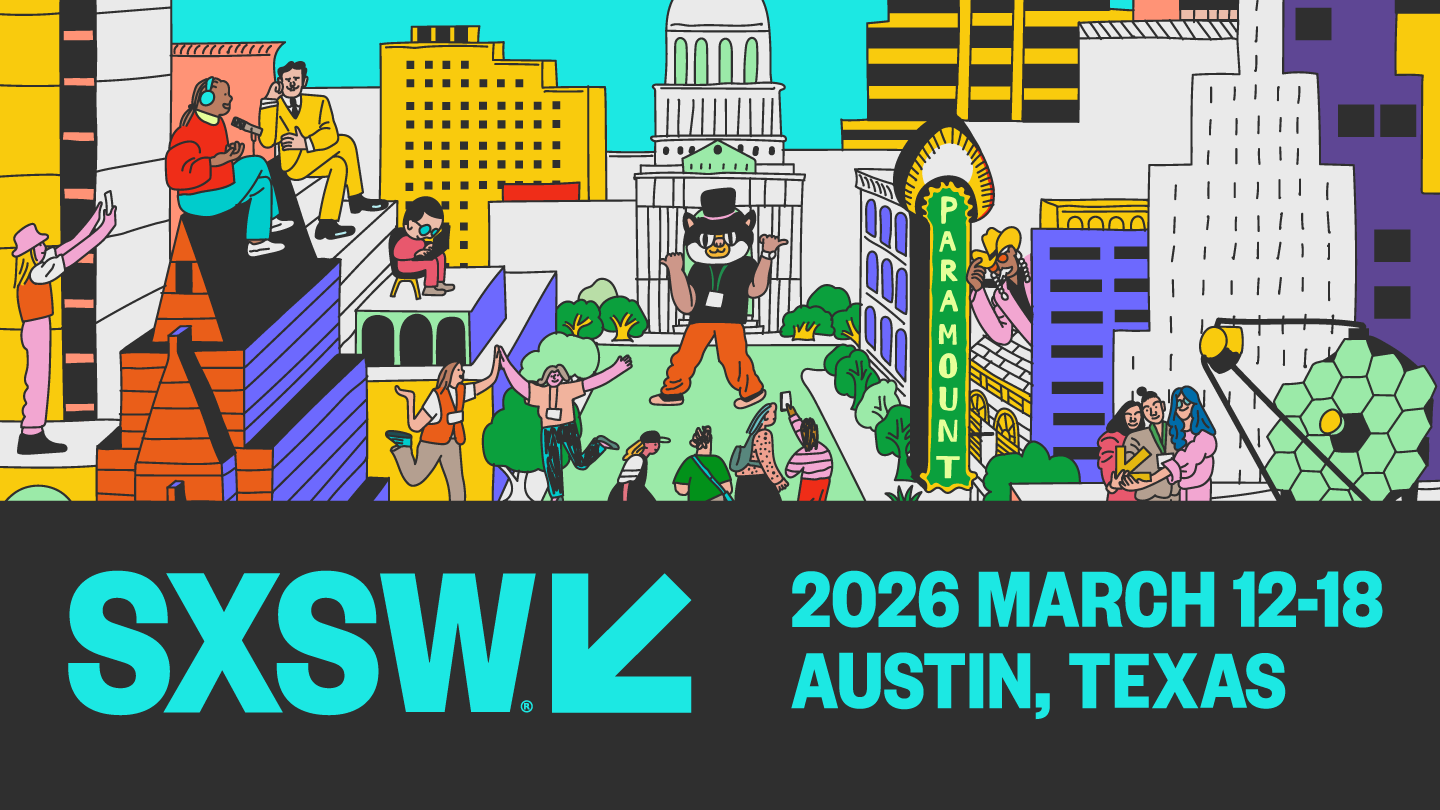
SXSW 2026 Wrap-Up: AI Ad Tools and Creator Cash Streams Dominate Austin Talks
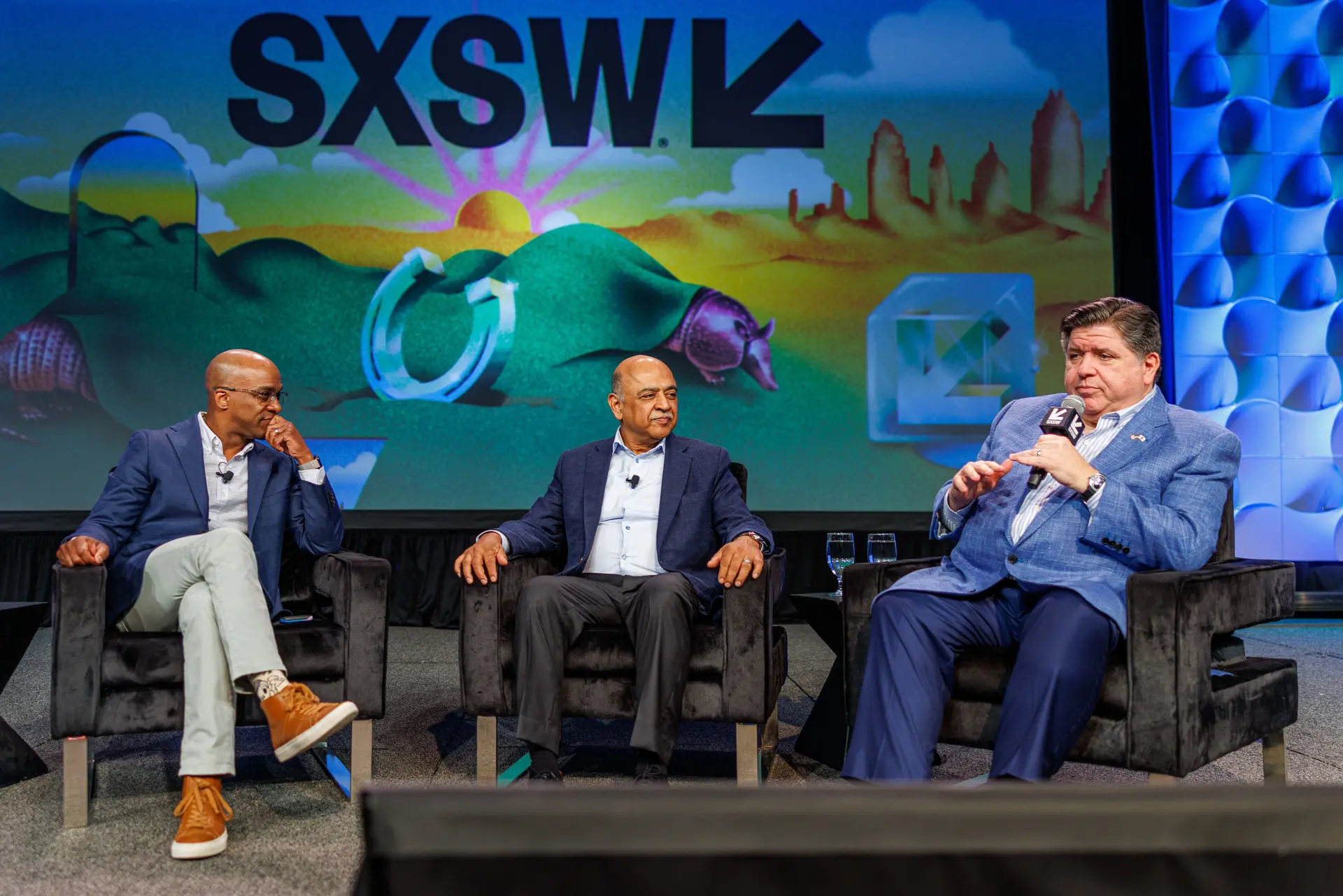
The 2026 South by Southwest conference closed Sunday in Austin with marketers urged to bolt two engines onto their 2026 roadmaps: artificial intelligence that turns first-party data into live campaigns, and revenue models that move influencers from one-off posts to owned product lines. More than 350 sessions drilled into both topics, replacing last year’s metaverse buzz with demos that promise measurable sales lifts.
AI-Powered Ad Platforms Replace Manual A/B Testing
Adobe, Salesforce and a crop of startups showed platforms that swallow real-time browsing, purchase and sentiment signals, then spin thousands of ad permutations without human tweaks. Frito-Lay and Mexican fintech Kueski said on stage that the switch delivered an 18–22 % jump in return-on-ad-spend within two months. Clean data is the catch—brands that fed siloed CRM exports saw gains stall after three weeks.
The shift represents a fundamental change in how campaigns are optimized. Instead of marketers manually creating and testing different ad variations, these AI systems continuously analyze user behavior and automatically adjust creative elements, targeting parameters and bidding strategies in real-time. This approach allows for personalization at scale, with some platforms claiming to generate up to 10,000 unique ad variations from a single base campaign.
However, the technology's effectiveness heavily depends on data quality and integration. Companies that successfully merged their customer relationship management systems, website analytics, mobile app data and social media insights reported the strongest results. Those working with fragmented or outdated datasets saw initial improvements fade quickly, highlighting the importance of solid data infrastructure before implementing AI advertising tools.
The move raises questions about job displacement in marketing departments. While Adobe executives insist the tools augment rather than replace human creativity, several agency attendees privately expressed concern about reduced headcounts for campaign management roles. Critics argue that over-reliance on automated optimization could lead to homogenized advertising that lacks brand distinctiveness.
Vertical Video Formats Drive Higher Product Discovery Rates
TikTok’s Rema Vasan told a packed Hilton ballroom that 68 % of Gen-Z users "expect to find new products first on vertical video," citing January research with Gartner. YouTube, Snapchat and Instagram fired back with formats that let viewers book test drives, shade-match lipstick or snag concert tickets inside the clip. Ulta Beauty said shoppable Stories posted for Valentine's week converted at 4.7 %, triple the rate of its static posts.
The dominance of vertical video reflects changing consumer behavior, particularly among younger demographics who increasingly use social platforms as discovery engines rather than just communication tools. This shift has forced brands to rethink their content strategies, moving from traditional horizontal advertisements to native vertical formats that feel organic to the platform.
Major platforms are responding with increasingly sophisticated shopping features. Instagram's new checkout system allows users to complete purchases without leaving the app, while YouTube has introduced clickable product cards that appear during videos. Snapchat's augmented reality lenses now include direct purchase options, blurring the line between content and commerce. These developments suggest that social commerce will continue expanding beyond simple product tags to become a fully integrated shopping experience.
In Austin's Rainey Street district, for instance, pop-up shops featured QR codes that launched vertical video experiences when scanned. Visitors could watch 15-second product demos and purchase items immediately through their phones, with vendors reporting conversion rates between 8-12%—figures that dwarf traditional e-commerce benchmarks.
Augmented Reality Shopping Becomes Mainstream Retail Tool
Nineteen trade-floor vendors hawked filters for glasses, sneakers and furniture. The most cited case: Nike's Air Max Pavilion, where attendees scanned a QR code, picked a colorway and watched an AR overlay map the shoe onto their feet in 3-D. Purchases closed in-app for same-day pickup at a nearby pop-up. Nike said average order value ran 38 % higher than its 2025 Snapchat lens.
The technology's evolution from gimmick to practical shopping tool marks a notable milestone for retail. Early AR try-on experiences were often clunky and unrealistic, but improvements in smartphone processing power and computer vision algorithms have created seamless experiences that genuinely help consumers make purchase decisions. Eyewear retailers report that AR try-ons reduce return rates by up to 30%, as customers can better visualize how products will look before buying.
Beyond fashion, furniture retailers are finding success with AR room planners that let customers visualize how pieces will fit in their homes. Beauty brands are offering virtual makeup applications that account for different skin tones and lighting conditions. Even grocery stores are experimenting with AR nutrition labels that display detailed product information when customers point their phones at items. These applications suggest AR is transitioning from novelty to necessity in retail.
The hardware ecosystem supporting AR shopping continues expanding. Apple's latest iPhone includes improved LiDAR scanners specifically designed for room-scale AR, while Samsung's new Galaxy models feature enhanced depth sensors for more accurate product placement. These technical improvements enable more realistic virtual try-ons and spatially-aware shopping experiences that were impossible just two years ago.
Content Creators Shift From Sponsorships to Business Ownership
A dedicated creator track drew 8,000 badge-holders—double last year. Keynoter Marques Brownlee said ad-revenue share now supplies just 40 % of his income, down from 70 % in 2022, replaced by affiliate deals, paid newsletters and his own merch. Workshops pushed white-label supplements, startup equity swaps and AI dubbing for Latin American audiences, tactics that can add six figures even at the 500 K-subscriber mark.
This diversification reflects the maturing creator economy and growing awareness that platform-dependent income is inherently unstable. YouTube's changing algorithms, TikTok's uncertain future in various markets, and Instagram's shifting priorities have taught creators that relying solely on ad revenue or brand sponsorships creates vulnerability. Successful creators are building multi-channel businesses that include direct product sales, subscription content, educational courses, and equity stakes in emerging brands.
The trend toward business ownership also reflects changing brand-creator relationships. Companies are increasingly open to revenue-sharing arrangements and long-term partnerships rather than one-off sponsored posts. This allows creators to benefit from products they help develop and market, creating more sustainable income streams. Some creators are launching their own brands entirely, leveraging their audience insights to identify market gaps and build products that resonate with their followers.
Unexpectedly, even micro-influencers with audiences under 100,000 are building substantial businesses. One session highlighted a gardening creator who developed a line of organic seeds, now generating $2 million annually through direct sales. Another featured a cooking influencer who created a subscription spice blend service, reaching profitability within six months by leveraging her engaged community.
Speed-Pitch Events Revolutionize Brand-Creator Partnerships
Evening events backed by Pinterest, LinkedIn and CAA matched 250 creators with 120 brand managers in 90-minute speed pitches. Marketers paid a $15 K concierge fee for eight guaranteed slots; creators applied through a public portal filtered by vertical and engagement. Both sides told reporters the format shrank typical partnership talks from six weeks to one night, with handshake deals for Q3 campaigns locked on the spot.
The speed-pitch model addresses a major pain point in influencer marketing: the lengthy and often frustrating process of identifying, vetting and negotiating with potential partners. Traditional outreach involves weeks of emails, proposal revisions, and back-and-forth negotiations. The SXSW format compresses this timeline by creating structured face-to-face meetings where both parties come prepared with specific goals and parameters.
Success rates from these events have been impressive. Pinterest reported that 65% of matches made during their speed-pitching session resulted in active campaigns within 60 days. LinkedIn found that creators who participated secured partnerships worth an average of $50,000 annually—significantly higher than typical micro-influencer deals. The format's efficiency is attracting attention from other industry events, with several marketing conferences planning to implement similar programs.
The mechanics of these sessions reveal sophisticated matchmaking algorithms. Creators submit detailed analytics about their audience demographics, engagement rates and content verticals. Brands specify their target markets, campaign objectives and budget ranges. An AI system then creates optimal pairings, ensuring brands meet creators whose audiences align with their customer profiles. This data-driven approach reduces mismatches that plague traditional influencer outreach.
Quick-Start Checklist for Modern Marketing Success
- Pipe CRM, web and app data into one warehouse before you shop for AI ad tools.
- Run one vertical-video campaign with native checkout; benchmark against static-ad baselines.
- Test a simple AR filter; even basic lenses lift share rates about 25 %.
- Offer micro-influencers performance bonuses, not flat fees—cheaper upfront and sale-aligned.
- Book a local creator meet-up; deals signed in person close 40 % faster, per SXSW survey data.
Implementation timelines vary by organization size, but most brands can complete checklist items within 90 days. The data integration step typically requires the longest lead time, particularly for enterprises with legacy systems. However, cloud-based customer data platforms have reduced setup complexity, with some vendors promising deployment within weeks rather than months.
Performance-based influencer compensation models are gaining traction beyond Austin. Brands report 20-30% cost savings compared to flat-fee arrangements, while creators often earn more through revenue sharing when campaigns succeed. This alignment of incentives creates more authentic partnerships, as influencers become invested in actual sales rather than just content creation.
Source: SXSW press room, on-stage remarks, brand provided data
Recommended Resources
Creator Economy Report 2026 — Deloitte's comprehensive analysis of influencer revenue streams and platform dependencies, available free with registration.
AI Advertising Toolkit — Interactive guide from the Interactive Advertising Bureau covering data requirements and vendor selection for automated campaign management.
Social Commerce Playbook — TikTok's official resource for brands implementing shoppable content, including conversion benchmarks by industry vertical.
AR Retail Case Studies — Shopify's collection of implementation guides showing how merchants achieved measurable ROI with augmented reality shopping features.